Psychedelic Panic

Before I tried psychedelics I wasn't much interested in drugs. Perhaps a part of my neurotic tendencies was that I was terrified of losing control of myself and mostly stayed away from caffeine, alcohol, and cannabis. Psychedelics, though, weren't just a drug, but an opportunity for a breakthrough.
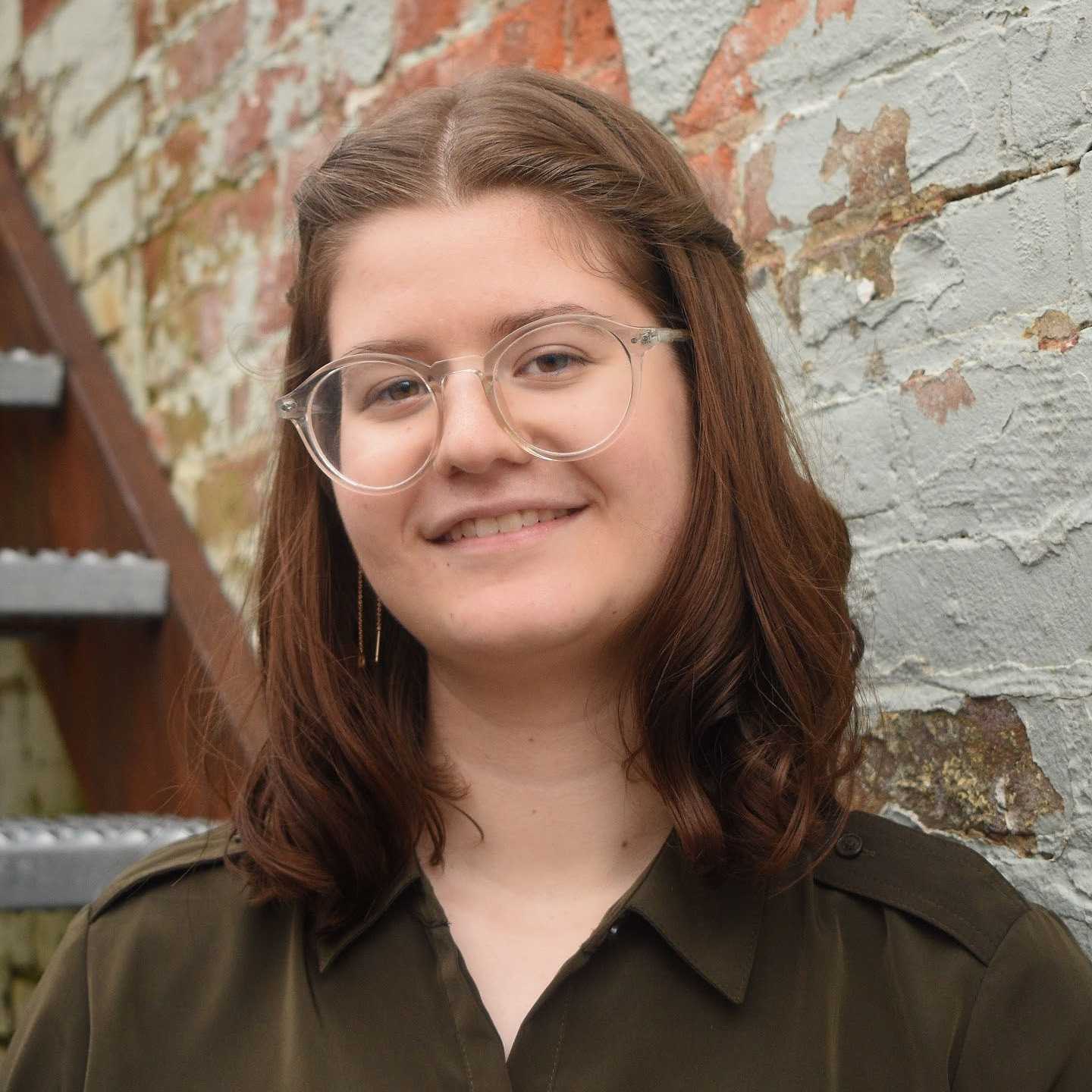
I am Clare Ashcraft, a twenty-three-year-old writer living in Ohio, and in this blog I share my experience with psilocybin (magic mushrooms) because the United States is considering making them a larger part of mental health treatment. If they are legalised, it’s important to have as much data as possible about how they may affect different types of people. I didn’t expect the experience I had, and I hope that by sharing it I can enable others to make an informed choice about whether or not to take psilocybin.
Packing
I'd struggled with anxiety and panic attacks since I was a kid, and although I learned to camouflage them well, they never got easier to manage. I did talk therapy for two years with two different clinicians, I meditated every day for over a year, I gratitude-journaled, and I knew breathing techniques, but it wasn’t enough.

The day I took magic mushrooms I was just shy of my twenty-second birthday, and a year post-college graduation. I was quickly realising that I couldn’t continue to push myself through the panic the way I had during school because life was no longer just making it to the next deadline. The whole world was out in front of me now. If I wanted to build a life I couldn't just survive my social obligations. I'd never be fully living if I had to force myself through life with my jaw braced.
I read about studies examining the potential of psychedelics as a treatment for anxiety. One study even suggested, “[The psychedelic psilocybin] may be effective in reducing symptoms of depression and anxiety in conditions that are either resistant to conventional pharmacotherapy or for which pharmacologic treatment is not yet approved. Moreover, it may also be relevant for first-line treatment, given its safety.” I also had several friends with experience of taking psilocybin who had positive experiences. The negative experiences they had seemed isolated to medium and high doses in uncontrolled environments like parties and festivals.
I knew there were risks of panic attacks, PTSD, and hallucinogen persisting perception disorder (a rare condition where psychedelic users experience altered visual perceptions days, weeks, or years after use, which may include visual snow, halos, geometric patterns and more), but I was familiar with managing panic, and the other negative effects seemed rare assuming I paid attention to my set and setting and started with a small dose. Set and setting is a common refrain in psychedelic spaces as shorthand for the importance of your mindset and your surroundings when you take a psychedelic.
I was worried that taking antidepressants may have long-term effects, and that I would forget what I was like unmedicated, that my personality would change and I wouldn’t be aware of it. I wasn’t interested in dulling my pain or turning the temperature down on my symptoms, but I desperately wanted to move through them. Whether it was a rational concern or not, I felt like medication would mask me, while psychedelics would do the opposite. If you’re wondering why someone with a mental illness would want to be more themselves rather than less, considering their self is the one causing distress, then you’ve identified the core tension of this entire project.
Psilocybin is in and out of your system in less than 24 hours. While there was a risk I’d have a bad trip, I’d return to myself afterwards. I wanted to take a journey through my psyche in a grand quest to root out my issues and transform myself. I wanted to be a protagonist instead of a patient.
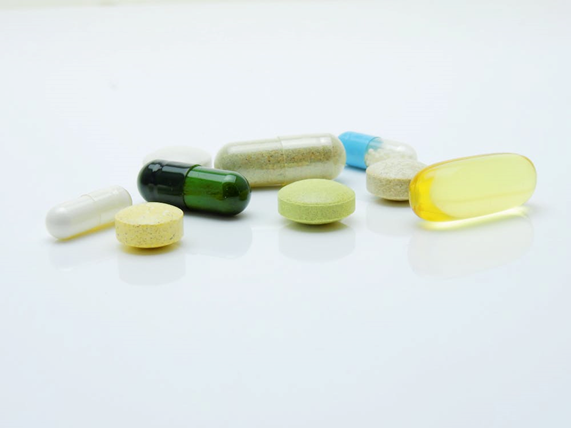
In the late spring of 2025, I flew to Washington D.C., where mushrooms were decriminalised in 2021, and a close friend had offered to trip-sit for me at his apartment. I was scared to take the gram of dried mushrooms sitting in front of me, but then, I was scared of everything. I wanted to trust myself, and if I didn’t take a risk, nothing would change.
The Trip
The mushrooms were a styrofoam texture and mostly flavourless, not dissimilar from freeze-dried strawberries. Before the mushrooms fully kicked in, I felt the panic start to rise in me. My face was burning and my breaths were short, but I was shivering as if freezing. My mouth turned into sandpaper. I tried to let it move through me without judgement, acknowledging it without fighting it.
An hour or so after I took the mushrooms, I started to see lotus flowers on the ceiling. Then I saw word-art style letters, then I saw jungle vines, then I saw squares with looped corners. I began to feel sick in all forms of the word, emotional and physical.
I couldn’t separate myself from my fear the way I usually did. I was glued to a dining room chair, powerlessly watching as the space between me and my emotions collapsed. At one point I said it was “like living without skin.”

As bad as it felt, I was open to all the tumult being part of the healing process and still tried army crawling toward acceptance of the state I was in, but I didn’t quite make it there. The trip peaked maybe four hours after I took the mushrooms and, as I started to come down from the hallucinogens, the waves of panic got worse again and my ability to try and manage it returned.
I paced by the air conditioner and became convinced I hadn’t eaten or drunk enough, obsessing over trying to get my physical state into homeostasis. An hour or so after the peak—my sense of time was really distorted so it’s hard to know—I gave up and went to lie down on top of the bed until it was over.
When I got back up another hour later, I felt hollow. I ate some pasta and went outside to sit on a bench, hoping time away from that suffocating apartment would do me good.

I stared into space for hours. I was exhausted but couldn’t sleep. When I finally tried to sleep back in the apartment, I started shaking uncontrollably. I kept telling myself that everything would look better in the morning.
In the morning, I didn’t know why I was there, existentially or in D.C. specifically. It felt like my sense of self was kicked into the bottom of a well. I was inaccessible to myself. I could hardly make decisions like when to get out of bed, what to eat, and barely spoke unless asked a direct question. I shook, paced, sweated, and pressed heavy objects onto my chest because the pressure was the only thing that made my heart rate slow. I decided I needed to go home.
Baggage Claim
When I arrived at home after an hour-and-a-half flight, none of the streets felt familiar even though I knew they were. After about two weeks, the worst of my symptoms let up. I could hold a conversation and walk around without hugging something weighted to me. I began to make decisions and transition activities, like deciding what to wear or starting on a project for work, without it taking an hour of staring into emptiness or pacing around like I was trapped in a cage.
Still, I experienced derealization and depersonalization on and off for a year after the trip. Derealization is disconnection from your environment, while depersonalization describes detachment from yourself—you struggle to recognise your thoughts, feelings, and body as yourself even though you logically know that they are. The experience of derealization and depersonalization is hard to explain, but it’s like everything, including the person behind your eyes, feels off. There’s something that feels unreal and unfamiliar, but it’s hard to pinpoint what. I was aware it was my brain playing a trick—I wasn’t psychotic—but it was the closest I’d been so far. I was no longer a normal person experiencing more anxiety than the average person, but I was someone who was losing their tether to reality.
Gradually, I stabilised. I’m not sure if it was time alone, or the antidepressant medication I ended up starting a year later helped, but I was not permanently broken in the way I feared the day after my trip.

I don’t have the data to claim that anyone with an anxiety disorder shouldn’t take psilocybin, nor would I want to make such a blanket statement based only on my experience in a non-clinical setting. I don’t doubt it’s very useful for some people.
However, as psychedelics become more mainstream and the US goes head-first into the medical legalisation process, curious users should be aware that the research around post-psychedelic difficulties is only just emerging.
If one chooses a journey into an unwell psyche they should also be prepared for the possibility that they won’t necessarily come out on the other side of it transformed for the better.
This article has been sponsored by the Psychiatry Research Trust, who are dedicated to supporting young scientists in their groundbreaking research efforts within the field of mental health. If you wish to support their work, please consider donating.