top of page


What is Behind the Science
Behind The Science is all about the behind-the-scenes of scientific research in the field of mental health. We’ll be interviewing scientists and academics about the studies that are making the headlines this week, the research they’ve dedicated their whole lives to, and the experiments that might change the world of psychiatry and psychology as we know it.
Articles


Steps Towards Eating Disorder Recovery: Real-Life Snakes and Ladders
Two steps forward and one step back can be a good way to describe the process of recovering from an eating disorder. The journey is not linear. Some weeks you make massive amounts of progress, while some days you feel as though you are going backwards. A key part of recovery is to process setbacks: noticing what didn’t go to plan and learning from it. So, the next time you are faced with a similar situation, you can make pro-recovery decisions.

Lydia Eriksson
24 hours ago5 min read


Angel of My Dreams: My Love-Hate Take on the Victoria’s Secret Show
I will unashamedly admit that I have watched the Victoria’s Secret Fashion show every year since I was 14. I remember visiting the flagship store in New York City, proudly standing in front of their display of Kendall Jenner’s debut outfit, as an eager 16-year-old waiting to post this onto my Instagram feed. But as I’ve grown older, I’ve come to realise how conflicted this show makes me feel. The nuances beneath the wings, the glitz, the glimmer, and the seemingly perfect, ye

Riddhi Laijawala
2 days ago5 min read


Beyond Postnatal Depression
Maternal mental health is often framed through a single question: does postnatal depression affect the baby? And intuitively, this makes sense. It seems obvious that experiencing poor mental health while caring for a newborn could have negative impacts on the baby. But emerging evidence suggests this framing is too narrow. It may not simply be the presence of symptoms after birth that matters, but when they occur - and what they reflect about longer-term vulnerability.

Sorcha Alford
3 days ago6 min read


A Young Man Dies. Trump Makes It a Joke.
Last Saturday (11 October 2026), a young man with mental illness, William Chapman, died in horrific circumstances at Yorkshire Wildlife Park here in the UK. His family were left to face an unimaginable loss. The President of the United States shared footage of the attack and then circulated an AI-generated version in which he, Trump, became the star. We find it difficult to imagine a more grotesque response from someone entrusted with public office.

Inspire the Mind
4 days ago5 min read


Verity: The Trouble with Being Certain
In Verity, Dakota Johnson plays Lowen Ashleigh, a struggling writer hired to continue the successful novel series of Verity Crawford, played by Anne Hathaway, after a serious accident leaves her apparently unable to work. Moving into the Crawford family home, Lowen discovers a manuscript that appears to reveal disturbing truths about Verity’s life. Her growing attraction to Verity’s husband, Jeremy, makes the task of deciding whom to believe even more complicated. Directed by

Tony Woods
5 days ago5 min read


The Victors Write History: How Title IX Gives Perpetrators the Last Word
Writing is a privilege, not a punishment. Prose, essays, and stories are vehicles for truth and influence–reflecting a means to bridge individuals and contribute our voice to the vast human experience. Despite the responsibility of academic institutions to uphold the legacy of the written word, Title IX allows American Universities to dole out disciplinary actions in the form of a three-page essay in exchange for a clean slate, demonstrating just how much American universitie

Anonymous
Oct 166 min read


Living In-Between: What Recurrent Loss Taught Me About Carrying Grief
When I first wrote about losing our baby in October 2024, I thought the hardest part would be the miscarriage itself. In many ways, it was. At the time, grief felt enormous. Overwhelming. It filled every room, every conversation, every quiet moment. But it wasn’t always going to stay that way. It might not disappear, but it changes shape, and settles into the everyday. That kind of grief becomes something I carry in my bones alongside everything else — work, relationships, bi

Tassia O'Callaghan
Oct 155 min read


The Cornell 7: Shocking, Disturbing, Yet All Too Familiar
As a mental health research assistant, writer and editor for Inspire the Mind, this is not the first time I have written about sexual violence, and I fear it will not be the last. Sexual violence is not new, nor is the outrage that follows it. For decades, women have shared their stories, challenged harmful attitudes and demanded greater accountability. Yet, despite these efforts, allegations of sexual violence continue to emerge, each a painful reminder of how much remains u
Camila Ribeiro
Oct 145 min read


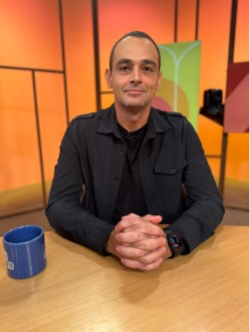
Can Hypnosis Help Actors Become Their Characters?
At first glance, acting and hypnosis may seem like very different worlds. But both raise a surprisingly similar question: how can the mind make an imagined reality feel real enough to change what we experience? This question has followed me for years. My name is Tiago Garcia, and my background in Film Studies first made me interested in how actors build characters.
Tiago Garcia
Oct 135 min read


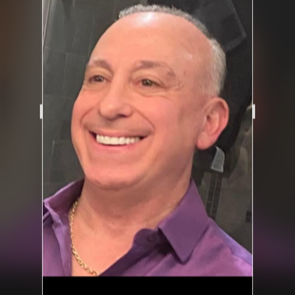
Idling High: Anxiety, Obsession, and Persistence
This is how I think about myself today: I’m a retired 63-year-old man, happily married, in excellent health, very comfortable. And yet, I idle high. I just accept that this is part of my makeup. I have brown eyes; I’m 5’- 9”; I weigh 170 pounds. I idle high. Idling high is not a clinical term and it won’t be found in any psychology context of which I am aware. It is just the way I have come to identify with certain characteristics of my life.
John Sergio
Oct 125 min read
bottom of page