Men are Struggling with Loneliness and Isolation. So We Did Something About It.

I want to ask you a question.
How many close friends do you have? And I mean close friends - friends you could call at 11pm in an emergency and they’d pick-up the phone. Friends who know the things about you which you don’t post on social media. My name is Tom Stroud, and I’m the co-founder of the Shoulder to Shoulder men’s community. In this article, I talk about why feeling connected to others is the most important factor in long-term health and happiness.
Because the research - 85 years of it - suggests meaningful relationships are more important to your long-term health and happiness than almost anything else you could name. Not your bank balance. Not your diet. Not how many times you make it to the gym.
The Harvard Study of Adult Development, the longest-running research project on adult wellbeing in history, is pretty unambiguous about this. Its current director, Dr Robert Waldinger, puts it simply: "Good relationships keep us happier and healthier. Period."
And yet one in three men in the UK report having no close friends at all. And Ipsos research published last year found that one in three young people feel lonely at least once a week, despite most of them saying they have plenty of friends.
There's a difference between having people around you and feeling truly connected. A lot of men are learning that the hard way.
Why We Started Shoulder to Shoulder
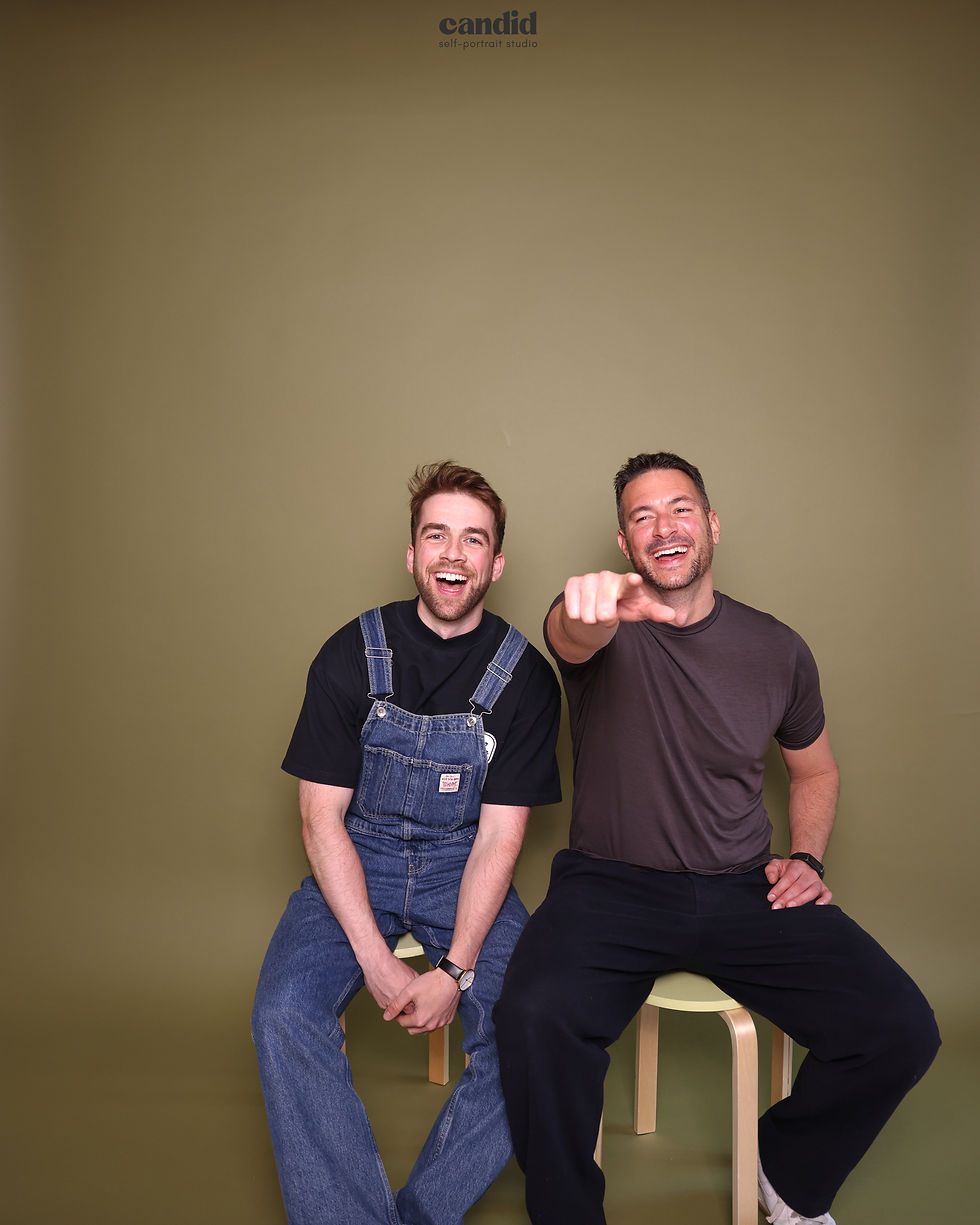
My co-founder Dan and I didn't set out to build a men's community.
My dad left when I was young. The last time I saw him, I was 14. And the anger and confusion that created - the distrust of other men - impacted me significantly. It made it hard to build real friendships. Hard to be honest about what I was actually feeling, because I'd learnt early in my life that people you’re meant to rely on don’t always stick around.
Dan's story is different, but the root of it is similar. His dad struggled with severe depression and psychosis. Struggles Dan didn't fully understand until his dad was sectioned, when Dan was in his final year of university.
His dad pulled through. But when Dan asked him, years later, what he thought was at the core of it all, the answer wasn't what he expected. Lifestyle and exercise were small parts of it. But it was a lack of connection and purpose which were the core reasons.
Both of our dads suffered from a lack of the very things the Harvard study says matter most. And that's why we set up Shoulder to Shoulder - to help create an environment which would’ve helped our dads, and indirectly, would help us too.
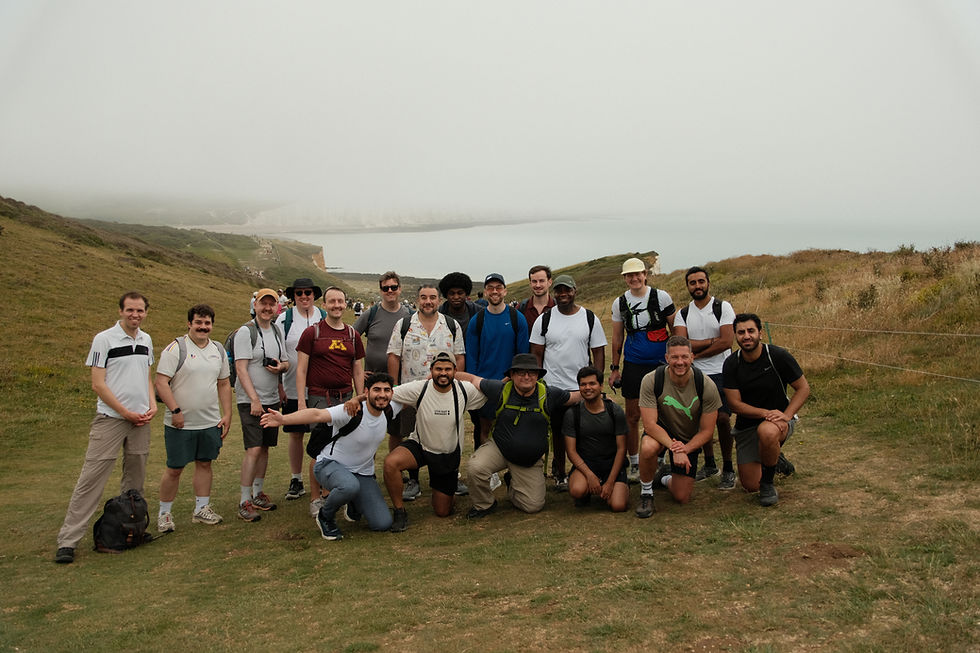
In February 2025, Dan and I hosted our first walk and coffee in London. Ten guys showed up. We talked about male friendship, about feeling disconnected, about the stigma that exists around men admitting they want more meaningful connections in their lives.
18 months later, we now have over 1,550 members and run around 30 events a month - anything from paintballing, dinners, summer hikes, retreats. I quit my corporate job at the end of January to go all-in on the community, and I couldn’t be happier.

What We've Seen in Our Members
The primary reason men join Shoulder to Shoulder isn't that they're in crisis. It's that they have it together on paper - whether that’s a good job, a relationship, maybe a family - but they still feel like something's missing.
And this isn’t unique to our members. In big city environments, it’s incredibly common. You look around and realise the friendships you had at school or university have slowly disappeared, not because of any falling out, but because of geography, different life stages, or you’ve simply grown apart.
What we've also noticed is that when men do find a genuine sense of connection and community in our group, something changes.
The guys who show up feeling nervous, anxious or isolated will, within a few months, start developing real relationships with other men. And slowly, they become brighter, more positive, and start thinking about how they can help and support others in the group who are in the same position they once were.
The Harvard study backs this up. And it found that close relationships don't just make us happier, they actively protect our health. People with strong social bonds show better immune function, lower rates of heart disease, and slower cognitive decline as they age. The men with the warmest connections at 47 were the ones in the best health decades later.
Connection isn't a nice-to-have. It’s something which will literally make you live longer.

The Purpose Piece
Connection and purpose aren't separate things. In our experience, they're deeply linked.
A lot of our members find real purpose through the community, not just by being members of it, but by contributing to it. We put out a call for volunteers last year and were overwhelmed with responses. The men who became our ‘Connectors’ - the guys who organise events, moderate our spaces, show up week after week - do it for free.
And when you ask them why, very few of them talk about recognition. They talk about feeling like they're doing something that matters. That they’re giving back to others. That it helps them feel more connected to the group.
Dan and I had a walk last summer where only three people showed up, and we started questioning whether any of this was worth it. It was the clarity of why we were doing it that kept us going. Not the numbers. The why. And that’s something which drives all of our volunteers too.
Viktor Frankl wrote about this after surviving the Holocaust. That those who had a sense of meaning were more likely to endure. That's an extreme context, obviously. But the principle applies at every scale. When you know why you're doing something, the how gets easier.
What We're Still Figuring Out
Building connection and purpose is an ongoing practice. And for men especially, there's a real stigma around admitting you want more of it - that you're lonely, or that you feel like your life lacks meaning. That somehow makes you weak, or ungrateful, or both.
I felt it when Dan and I first met for coffee to talk about our own struggles and isolation. Two grown men, meeting to talk about their feelings. It felt strange.
That stigma is part of what we're trying to dismantle. Telling men to be more vulnerable doesn’t do much on its own, but by creating environments where vulnerability is what happens naturally, men become more used to it.
When you show up and someone who looks like they've got it together admits they've been feeling lost, something opens up. You give other people permission to do the same.
My Personal Reflection
My dad passed away last year at the age of 68. I never got to see him. He was a man who’d felt those familiar feelings of isolation, of shame, and couldn’t find a way out of it.
He had five people at his funeral. Four of them were the children he never knew.
I don't say that to be bleak. I say it because it's the clearest illustration I have of what a life without connection actually looks like. And because it's made me think a lot about what I'm building - in the community, yes, but also in my own life.
The Harvard study says the men with the warmest relationships in their 40s were the healthiest in their 80s.
I'm in my 40s now. I'm paying attention.
Shoulder to Shoulder is a men's community based in London with over 1,500 members, running 30+ events per month. You can find out more at shoulder.mn.co or by visiting www.instagram.com/shouldertoshouldercommunity
This article has been sponsored by the Psychiatry Research Trust, who are dedicated to supporting young scientists in their groundbreaking research efforts within the field of mental health. If you wish to support their work, please consider donating.