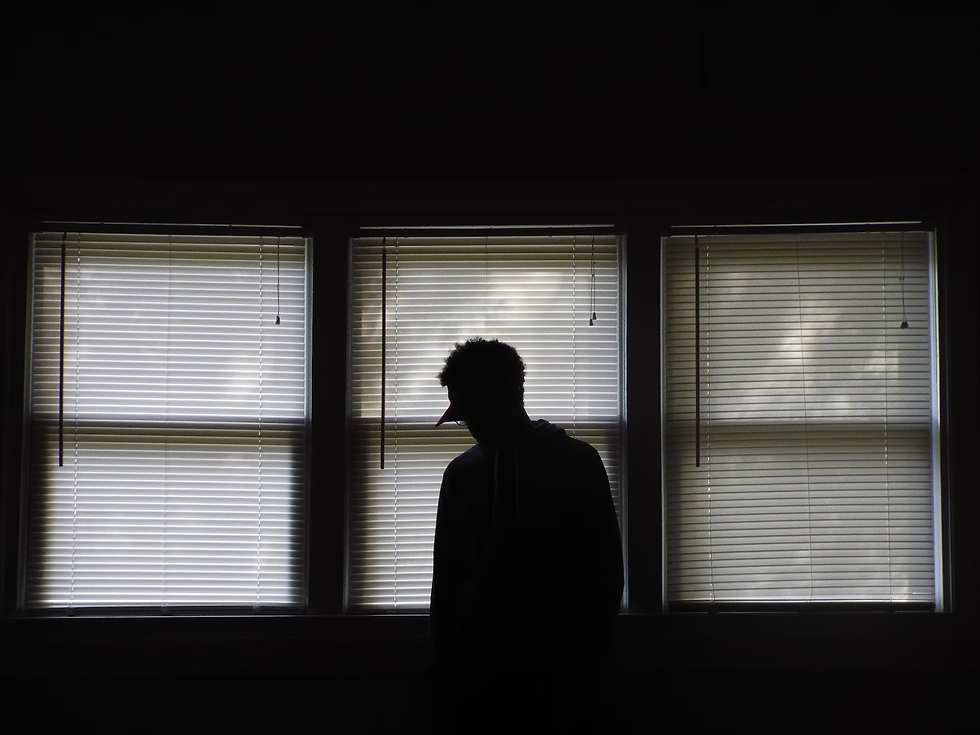
I Learned Masculinity from Silence — And No One Noticed
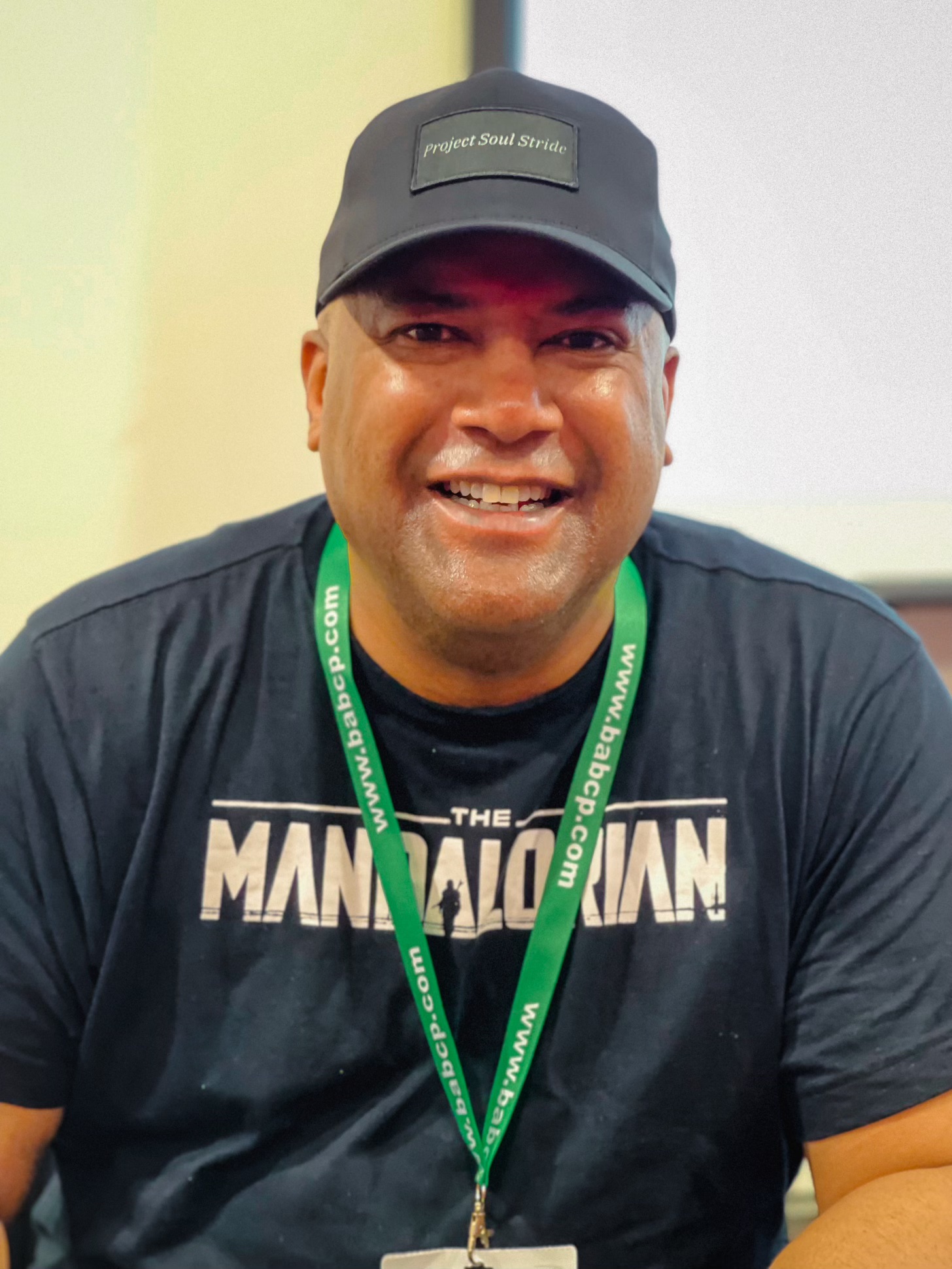
Just a few weeks ago, before speaking on a panel for Black Inclusion Week, I suffered a major panic attack. From the outside, nobody would have known. The “Mental Health Jedi” public persona still worked perfectly well. But internally, I felt completely drained — anxious, overwhelmed, and emotionally flat. Not dramatic, not visibly distressed, just… absent.
The strange thing is, that feeling wasn’t new to me. Over the years, I’ve become particularly good at performing while emotionally disappearing underneath. Many men have.
My name is Chris, and I am a lived experience practitioner. As a suicide survivor, I use my lived experience to improve the experiences of mental health for Black men in the UK through my advocacy platform Project Soul Stride. I started this after my own experiences with suicidality and mental illness, wanting to create more honest conversations around Black mental health, loneliness, identity, and emotional survival. Over time, it has grown into a platform for advocacy, storytelling, and systems change.
For Men’s Health Week, I wanted to reflect honestly on something I think many men struggle to articulate: not simply the pressure of masculinity, but the emotional silence many of us inherit long before we understand its impact. This piece is less about blaming men and more about understanding how certain emotional patterns quietly travel through generations.
When Nothing Became Dangerous
People often describe masculinity as pressure, but if I’m honest, pressure wasn’t the main thing I experienced growing up. It was silence, or more specifically, what silence meant.

As a child, I was terrified of silence. I learned very early that silence meant that something was off and ‘nothing’ became dangerous. The shouting and arguments were bad enough, but the silence — and the fear of what silence could project — was worse.
The atmosphere would change and, looking back now, I realise how much time I spent trying to read moods rather than express my own feelings.
My understanding of masculinity began there, at home, watching my father.
In many ways, he was a remarkable man. He arrived in the UK from Dominica as a child, the eldest of five siblings. He became a father to twin boys at the young age of 20, and he worked while studying for his MSc to provide for his family. As a young boy, I saw strength in him. Responsibility. Sacrifice. Discipline. Endurance. Yet, in him, I also saw what happens when pressure has nowhere to be released.
Over time, the emotional weight he carried seemed to harden into silence. Eventually, that silence fractured relationships within the family, including his relationships with me and my brother.
Witnessing that as a child was terrifying, but what’s difficult to explain is that only now do I understand how the struggles he endured shaped him and his relationships with us.
Finding Ways to Be Seen
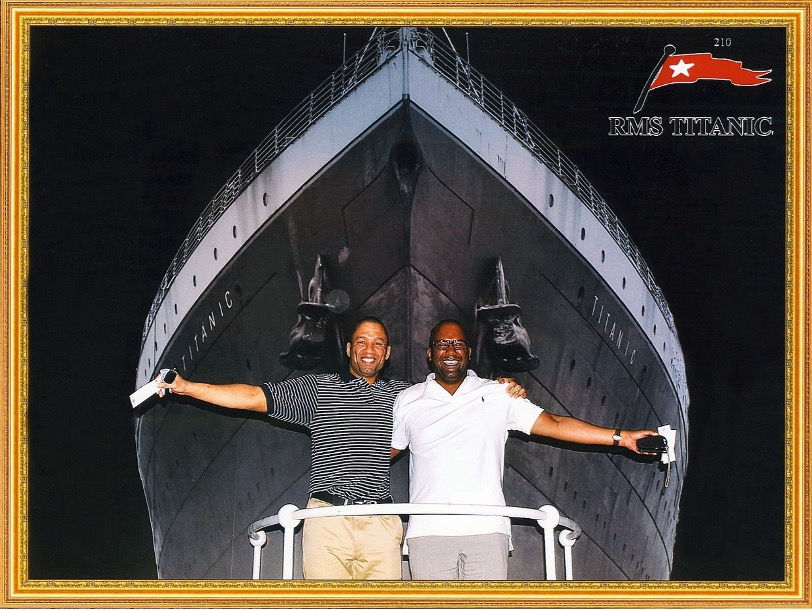
Growing up, my dad used to tell us something repeatedly: “As a Black man, you’ll have to work twice as hard to be recognised as being as good as a White man.” At the time, it sounded motivational, even necessary. Two young Black boys being prepared for the world. So, I absorbed the message the way many boys do: keep pushing, keep proving yourself, keep performing, never fall behind.
What I didn’t understand then was how dangerous that mindset can become when your sense of worth gets entirely tied to performance. Because if you constantly feel you must be exceptional to deserve recognition, failure begins to feel unbearable. If you can’t find ways to shine, sometimes you find ways to self-destruct instead.
My twin brother was academically brilliant, calm, focused, and naturally gifted in ways I admired but couldn’t compete with. So, I found other ways to become visible. I became loud, funny, disruptive, and difficult. What many would label as the “naughty kid.”
At the time, I thought I was rebelling. Looking back now, I was searching for identity.
That version of masculinity followed me for years. Not because anyone explicitly taught me to suppress emotions, but because I absorbed the lesson anyway. Through body language, discomfort, what made people uneasy, and what was rewarded.
Inherited Quiet
Masculinity isn’t always taught, sometimes it’s “inherited” - not biologically, but through what we quietly absorb from those around us.
When I cried or struggled emotionally, it felt like a weakness, shame, failure. So eventually, I withdrew emotionally in much the same way my father had.
That’s the frightening thing about “inherited behaviours”. Sometimes the very things that hurt us as children can quietly become the coping mechanisms we carry into adulthood ourselves.
I remember a former partner once saying something to me that stopped me cold: “You’re turning into your father.” At the time, I wanted to reject it immediately, but deep down I knew exactly what she meant.
Even now, working in mental health advocacy, I still see how heavily masculinity is tied to endurance and emotional control, especially for Black men. Strength is admired. Survival is admired. Holding everything together is admired. But uncertainty? Emotional confusion? Exhaustion? Those things still make people uncomfortable.
I think many men become experts in controlled vulnerability. We reveal just enough to appear emotionally aware, but not enough to truly disrupt how people see us. That isn’t manipulation. I think it’s protection, because many men grow up understanding that emotional exposure can fundamentally change how the world responds to you.
So, silence begins to feel safer, until it becomes isolating.
Looking Through Old Photographs
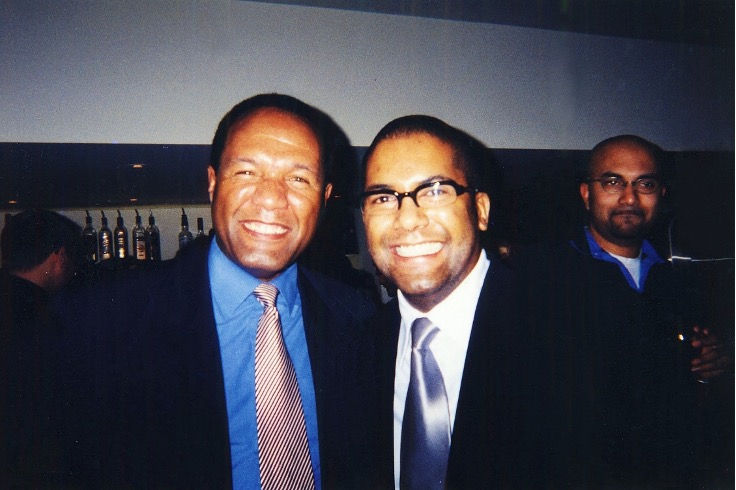
Recently, I found myself scrolling through old family photographs. What struck me most was how little visual history I have with my father; that absence speaks volumes on its own.
I looked at photographs from my 30th birthday party, just before moving to Hong Kong, and saw smiles hiding years of emotional pain underneath them. I looked at the only photograph I have of my twin brother and me together in our adult years, and I saw distance sitting quietly between us.
It would be easy to paint my father as the villain in my story. But life is rarely that simple. He was carrying emotional burdens and pressures that I only began to understand much later as a man myself.
The problem was never simply silence. It was what silence projected onto the people living around it. As a child, I learned to read moods, tension, withdrawal, and emotional distance long before I learned how to express my own feelings safely. As I grew up, without realising it, I developed many of the coping mechanisms that once frightened me as a child.
That’s the danger of silence. It doesn’t just hide pain. Over time, it teaches people how to disappear into themselves.
So, it’s my hope that young boys learn the word vulnerability so they can spell it in their sleep. In this day and age of superhero characters, we can turn vulnerability into a superpower, not something to hide.
This article has been sponsored by the Psychiatry Research Trust, who are dedicated to supporting young scientists in their groundbreaking research efforts within the field of mental health. If you wish to support their work, please consider donating.