


Rethinking Period Poverty in the UK
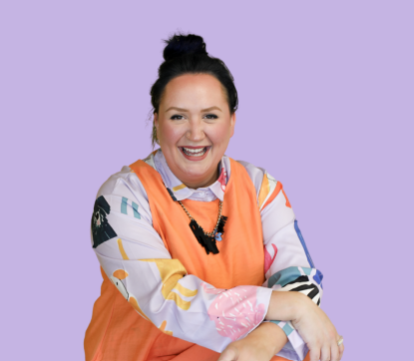

I’m Kate Smith, CEO and co-founder of Hey Girls, a menstrual educator with lived experience of the issues surrounding period poverty and menstrual health inequality. Those experiences are what continue to drive my mission: leading a social enterprise built to create social good, champion women’s health, and ensure everyone can manage their period with dignity.
Hey Girls CIC (Community Interest Company) is a not-for-profit social enterprise working to eradicate period poverty in the UK by providing sustainable period products and partnering with schools, councils, charities, workplaces and community organisations to improve access to products and education. Every purchase helps fund the donation of period products to people who need them most, supporting dignity, equality and long-term social change.
I’ve spent over 8 years working in this space, and there’s one thing that still comes up again and again: the belief that period poverty doesn’t exist in the UK. That it’s an issue happening somewhere else, to someone else.
But it does exist. It is on the rise. And for many women, girls and people who menstruate, it’s part of everyday life.
The Scale of Period Poverty in the UK
Around one in ten people experience period poverty in the UK. But numbers only tell part of the story. What does that actually look like?
For most of us who menstruate, there’s been a moment of being caught short, using loo roll as a makeshift panty liner and getting by until we can get to a shop, a friend, or home. Period poverty starts where those options stop.
When there isn’t money there, full stop, you’re forced to make impossible choices.
We hear from people across the UK who are navigating exactly that. When your weekly shop costs more than what’s in your bank account, something must go back. And it’s often the basics,
shampoo, razors, period products. So, people make do. You wash your hair with washing-up liquid. You use whatever you can find to manage your period, toilet roll, cloth, newspaper… just to get through the day.
And we don’t talk about it. Because of shame.
It’s hard enough to say you’re struggling financially. Add menstruation into the mix (something that’s still seen as shameful or taboo) and it becomes even harder. So, people stay quiet, and the problem stays hidden.
But the impact shows up everywhere.
In schools, it can mean missing lessons or sitting out of activities because you’re worried about leaking through your uniform. In workplaces, it’s trying to get through a shift while feeling uncomfortable, distracted, and self-conscious. For some, it’s avoiding social situations altogether. It chips away at confidence, at participation, at the sense that you’re on a level playing field with everyone else.
Research and campaigning over recent years have helped shine a light on just how widespread the impact can be. Studies have shown that many girls and young people in the UK have missed school because they couldn’t access period products, while wider menstrual stigma continues to affect attendance, confidence and participation in education.

ActionAid research has also highlighted how period shame and anxiety can impact millions of women and girls, affecting school, work and daily life. The stats speak for themselves.
In 2023, an ActionAid poll found that 21% of women and people who menstruate in the UK struggled to afford period products (2.8 million people), which was up from 12% the year before. Of those affected, 41% of those in period poverty keep products in longer (a potentially dangerous method of period management that could lead to serious infection), 37% reported using substitutes (like tissue), and 17% reported that they stay home due to lack of products.
Period Poverty Interacts with Child Poverty
Period poverty is not a niche issue, nor does it exist in isolation. It sits alongside wider social and economic inequalities, often going hand in hand with child poverty and making an already difficult situation even tougher for families already struggling to afford basic necessities. In the UK, two million children (1 in 7) are in deep material poverty, meaning they lack access to everyday essentials.
That’s why access to period products matters so much. Not as a luxury, but as a basic necessity. When products are freely and widely available in schools, workplaces, and community spaces, it removes one barrier. It gives people a bit of breathing room, a bit of dignity, and the ability to get on with their day without that added stress.
Menstruation is expensive, costing an estimated £20,000 across a lifetime. Encouragingly, awareness of this issue is growing. Campaigns such as Clue’s The Cost of Bleeding have helped bring period poverty into mainstream conversation, highlighting how many people struggle to afford something so essential. Alongside this, policy developments, including the focus on menstrual health within the recent Renewed Women’s Health Strategy for England, signal a growing recognition that women’s health issues can no longer remain overlooked in healthcare and public policy.
But awareness alone isn’t enough.

Progress Requires Partnership
At Hey Girls, the work has always been about responding to what people are actually experiencing every day. That means getting products into the hands of those who need them through support groups, charities, workplaces and community organisations, and also pushing for longer-term social change.
It’s about normalising access, so picking up a period product is as straightforward as grabbing toilet paper. It’s about education, so fewer people grow up feeling embarrassed or misinformed about their bodies.
And it’s about partnership, working with organisations across sectors to make sure access isn’t dependent on where you live or what you earn. For example, we are partnered with King’s College London, home of Inspire the Mind, and provide freely available products across campuses to students and staff.
These partnerships not only provide products to employees of the organisations, but through our ‘buy one give one’ operating model, we donate one product for every product purchased, which helps reduce the impact of period poverty across the UK.
Because this isn’t a niche issue. It’s a societal one.

Progress Requires Constant Improvement
There has been real progress in recent years, and that matters. But the cost-of-living crisis is pushing more people into situations where they’re having to go without essentials, and that includes period products. For many, this isn’t a one-off experience. It’s month after month.
So… our work isn’t done.
Not until no one has to choose between eating and managing their period. Not until no one is missing school, work, or everyday life because of their period. And not until we’ve removed the shame that keeps people from speaking up in the first place.
Because period poverty in the UK isn’t a myth. It’s a reality. And it’s one we can’t afford to ignore.
If you would like to help someone facing period poverty, ActionAid has a comprehensive page of ways to help change the lives of the world's poorest women and girls, for good.


