


The Curse of Being a Lover Girl: The Fantasy of Being Chosen

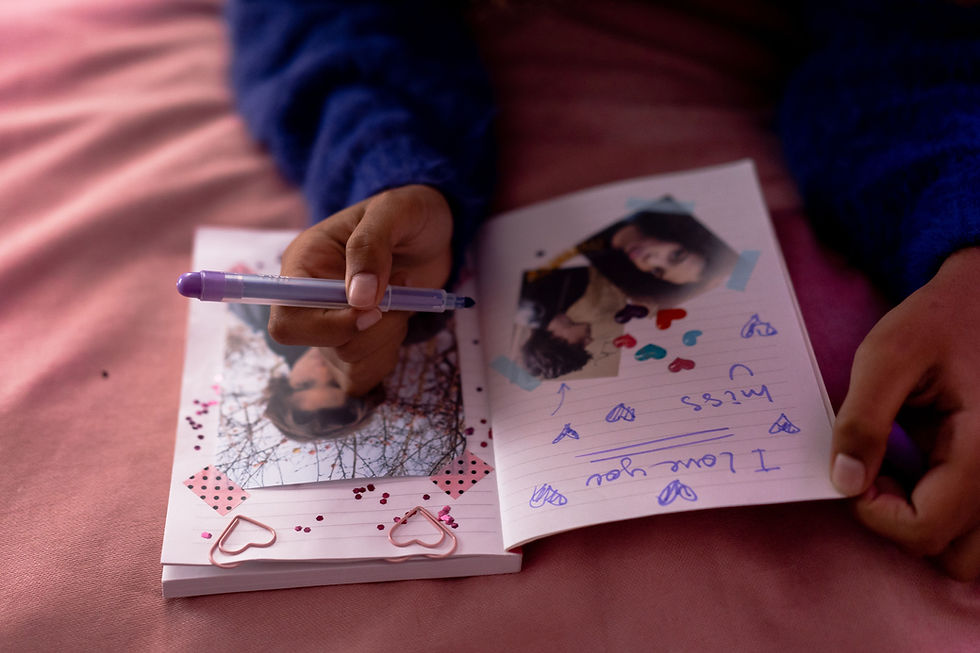
Before many women even know who they are, they already know what it feels like to long for love.
Girls grow up consuming love stories long before they ever experience love itself. Five-year-old me already dreamed about my future wedding and the white princess dress I would wear. Many of us spent our early teens creating Pinterest wedding boards, singing along to Taylor Swift heartbreak anthems, watching Snow White and Aurora being kissed awake by their true love, and imagining our own Mr Darcy. "Oh, what a curse it is to be a lover girl," laments singer-songwriter Laufey on her latest album. Judging by the millions of women who immediately understood what she meant, she may have touched on something surprisingly universal. What she is describing is a particular way of moving through the world: romanticising people, replaying conversations, imagining future scenarios, and searching for meaning in the smallest gestures. A way of relating to romance that many women seem to recognise instinctively.
But where does this longing come from?
As a Psychology and Neuroscience graduate - and a self-proclaimed lover girl myself - I am deeply interested in the psychology behind all this. And just like Carrie Bradshaw, I couldn’t help but wonder… why does romantic love occupy such a powerful place in so many women's inner worlds?

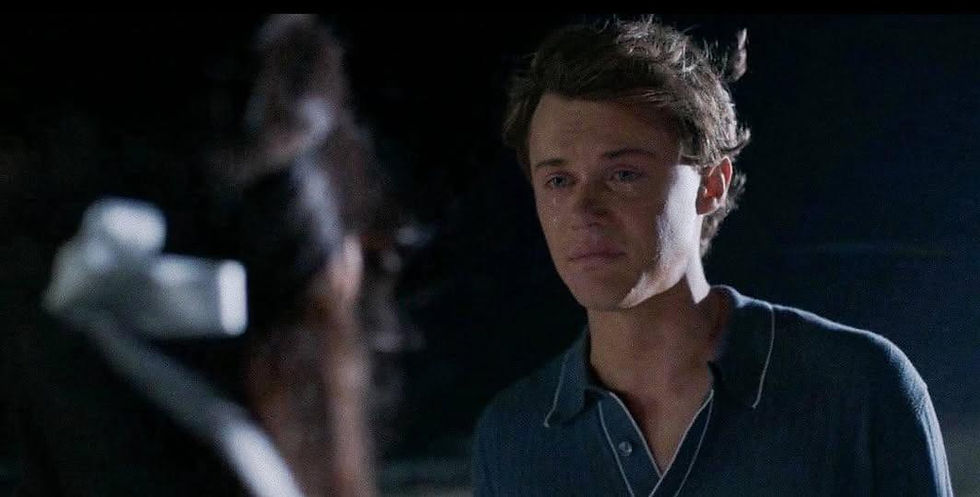
The fantasy of finding "the one" is older than TikTok's recent lover girl trend. In fact, psychologists Sprecher and Metts found in 1989 that beliefs in soulmates, love at first sight, and the transformative power of love are deeply embedded in many people's understanding of romance. Add a few Disney princesses, 90’s Hugh Grant, and today’s Conrad Fisher, and it becomes easier to understand why so many women grow up expecting love to feel not only exciting, but destined.
Psychologists Hazan and Shaver (1987) proposed that romantic love is, at its core, an attachment process. In early life, our primary attachment figure is usually a caregiver, providing safety, comfort, and a secure base from which to explore the world. As we grow older, romantic partners often take on a similar role. In other words, falling in love is not only about attraction but also about seeking safety, connection, and emotional security. From an attachment perspective, the longing to be chosen makes perfect sense: romantic relationships often become one of our primary sources of comfort, reassurance, and belonging.
It is not necessarily about searching for a perfect partner, but for the emotional experience of being deeply and permanently chosen. Whether it is the slow burn, enemies to lovers, or the now-famous “Conrad Fisher yearning”, many of our favourite romance tropes revolve around anticipation as much as fulfilment.
And to be chosen is not simply to be loved. It is to be seen. To be prioritised. To have someone say: out of everyone in the world, I choose you. Perhaps this is why the fantasy remains so powerful. Beneath all the wedding Pinterest boards and rom coms lie something fundamentally human: the desire to matter deeply to another person.
Before many girls ever experience romantic love themselves, they are introduced to stories that quietly teach them what femininity, happiness, and relationships are supposed to look like. England and colleagues (2011) argue that Disney Princess films (especially the older ones) remain a powerful source of gendered messages, shaping ideas about both womanhood and romance. This means that children's media may contribute to the development of ideas about gender roles and relationships from a remarkably young age.

After all, once the prince arrives, the problem is usually solved, the future is secured, and the credits roll.
Of course, men dream about love too. Yet for women, love has historically carried a different symbolic weight. For generations, women were socialised to see romantic partnership and family as the central milestone of a successful life, while men were more often encouraged to pursue achievement, status, and independence first - the love of their life could always come later. For much of history, marriage was not simply romantic, but determined a woman's economic security, social status, and future. Although these societal expectations have on average shifted dramatically, their cultural echoes remain.
Many of us still grow up surrounded by messages suggesting that finding love is one of life's greatest accomplishments. And still, somewhere between Disney princesses, Taylor Swift bridges, and late-night conversations with friends, love quietly becomes part of the stories we tell ourselves about the future.

The same phenomenon can be observed in romantic comedies, a genre that has traditionally been associated with the female gaze. In their analysis of 40 popular romantic comedies, Johnson and Holmes (2009) found that love is typically portrayed as uniquely special, life-changing, emotionally transformative, destined to last, and worth prioritising above almost everything else.
Perhaps this is also why “men written by women” have become such a cultural phenomenon. So many female romantic fantasies are not centred around hyper-masculinity, but around emotional attentiveness: the emotionally awkward yet funny, secretly soft, intelligent, slightly unavailable but deeply loving man many women were taught to dream about. The fantasy of a man who notices small details, communicates vulnerability, remembers what you said three months ago, and chooses you with certainty.
Through these stories, many women develop an internal blueprint of love that is deeply emotional, narrative-driven, and intensely personal.
I know this because I, too, grew up obsessing over Mr Darcy, Hugh Grant in Notting Hill, and all the awkward yet lovable men in Love Actually - part of the reason I romanticised London itself long before I ever moved there.
In many ways, these early 2000s romcoms shaped not only my ideas about love, but also my longing for a place and the version of myself I imagined I could become there, embodying the slightly chaotic yet deeply caring romcom heroine I had grown up admiring. A study by Hefner and Wilson (2013) showed that women are often raised not only around romance, but inside romance narratives. Those who watched romantic comedies for the purpose of learning about relationships were more likely to endorse romantic ideals. It turns out that many women are socialised not only into romanticising people, but entire emotional worlds. Bridget Jones is basically the blueprint for this: “someone will love me fully despite all my perceived flaws”.

And yet, maybe romanticising love is not purely a weakness, after all. Maybe love is beautiful precisely because humans long for connection. Maybe it simply reflects how deeply humans long to be seen, understood, and emotionally safe with another person. And maybe it’s beautiful that many women dare to dream about it. Maybe, in the end, it’s even bold to believe in it.
Perhaps the curse of being a lover girl was never loving too much. Perhaps it was growing up believing that love would be the most important story of our lives. Love has never really been the problem - the question is whether we can learn to dream about ourselves as vividly as we dream about being loved.


