The Software Crash: What it feels like when your body shuts down
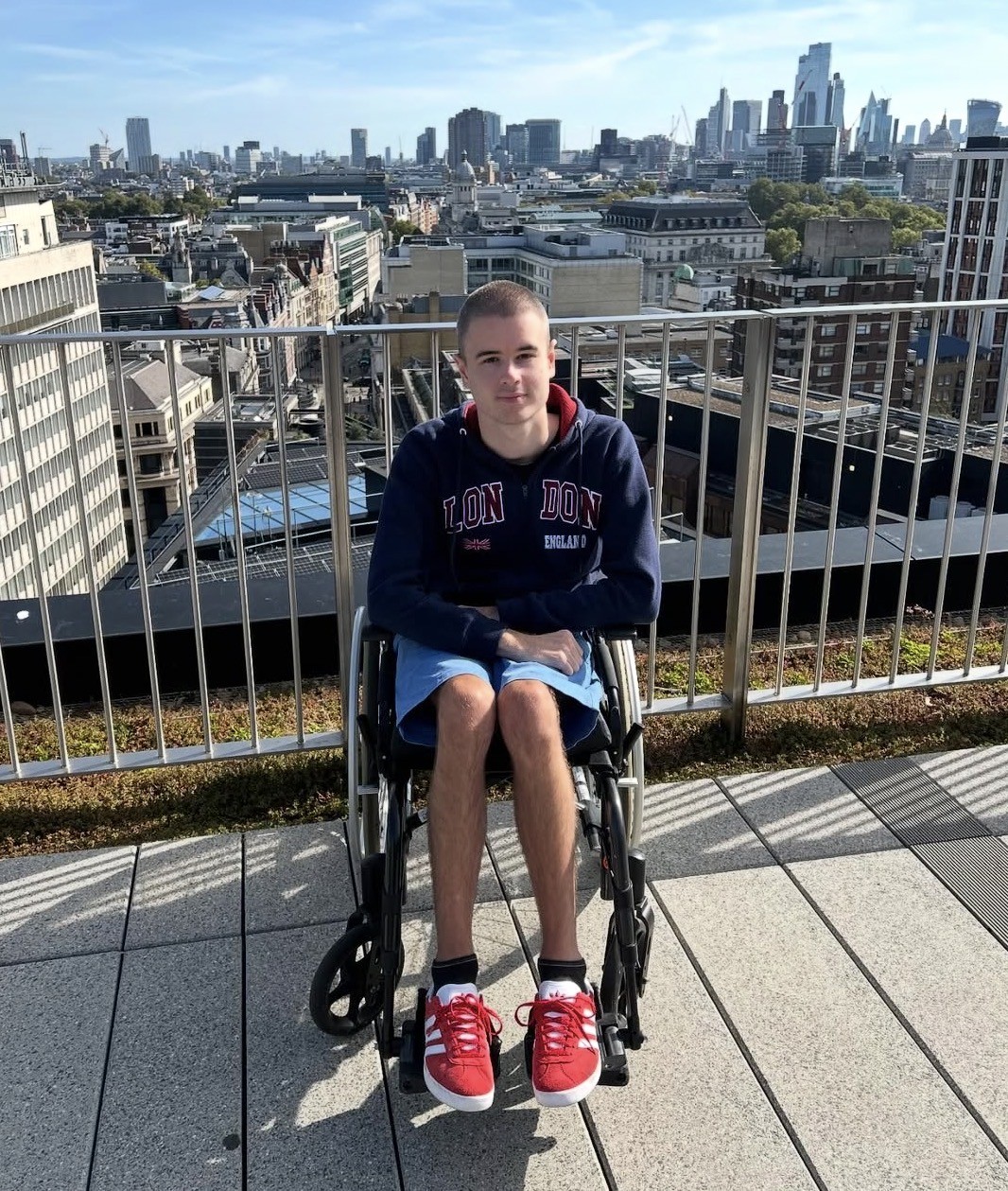
My name is Liam Virgo, and I am an advocate for functional neurological disorder (FND), pushing to raise awareness for this life-changing condition. For the past ten years, I have been fighting a quiet, gruelling war to reclaim my body and my identity after a sudden illness turned my teenage world upside down. While the physical realities of severe FND are devastating, the profound mental health struggles, emotional scars, and psychological isolation that accompany it remain deeply hidden in the shadows. We often talk about what the body loses during a neurological crisis, but we rarely address what happens to the mind trapped inside it.

What is Functional Neurological Disorder?
FND is a disorder in which the brain and nervous system do not communicate or function properly, causing neurological symptoms with no physical injury or structural abnormalities in the brain. From this condition, I experienced the transition from being a carefree child to a prisoner in my own body. It all happened with terrifying speed, leaving no time for my mind to process the magnitude of what was disappearing.
Doctors often use a brilliant computer metaphor to explain FND to the public. They tell you that if the human brain is a computer, my hardware—the physical nerves, the spinal cord, the bones, and the muscles—was entirely undamaged. The issue was a massive, systemic software crash. The signals sent by my brain were getting scrambled, misdirected, or lost entirely before they could ever reach my limbs or vocal cords. But while the computer metaphor makes perfect sense to clinicians in a hospital corridor, it fails to capture the immense, overwhelming mental health struggles that come with watching your own physical form glitch out.
The Day My Body Logged Out
My life changed forever in 2016 when I was 13 years old. One moment I was a healthy teenager, and the next, my brain and body began slowly shutting down. Within an incredibly short period, I lost my ability to walk, use of my hands, or even my ability to communicate, leaving me completely non-verbal. I had all my abilities taken away from me and had to leave school because of my sudden deteriorating condition. I was rushed to the hospital and came out four months later with a diagnosis of severe FND.
I don’t really recall the early days of my illness, or even life before FND. Imagine waking up in a house with all the lights on, but every single door and window is completely welded shut. You can see the outside world moving forward through the windows, you can hear family and friends calling your name from the hallway, but no matter how hard your consciousness throws itself against the glass, you cannot make a single sound or movement to reach them. That is the terrifying psychological reality of severe FND. It is the feeling of being awake and conscious but locked inside a physical form that has stopped taking orders from your brain.
I became bedridden as a result of my condition. FND caused me to lose my ability to sit up. It got to the stage where my body couldn’t tolerate sitting on any form of equipment apart from a hospital bed. I was bedridden for years and felt trapped inside my mind and body. The trauma of losing my mobility and my voice at 13 completely shattered my sense of identity. Adolescence is supposed to be a time of growing independence and finding your voice in the world. Instead, I was suddenly thrust into a state of total, agonising vulnerability and absolute dependence on others for my most basic needs. I required 24-hour care and couldn’t do anything for myself. The psychological impact of this shift was immediate, heavy, and utterly devastating. I wasn’t just fighting physical symptoms; I was fighting an internal wave of severe anxiety and a profound sense of isolation that felt impossible to communicate to those sitting right next to my bed.
I spent years navigating intense mental and physical health struggles; I felt trapped inside my own body. The sheer exhaustion of trying to force a non-compliant limb to move or trying to drag a single word past your lips when the software code is broken takes a massive cognitive toll.
The Hidden Stigma in the Medical System
FND is one of the most common reasons for a neurological outpatient visit, yet it remains one of the most misunderstood conditions. A survey conducted by the charity FND Hope found that 81.6% of 503 participants with FND felt that they had been treated poorly due to stigma. Stigmatisation and the lack of understanding of FND can shape clinical interactions in ways that leave patients feeling dismissed, disbelieved, or blamed for symptoms they cannot control.
When you are already experiencing a mental health crisis, being made to feel like you are somehow imagining your physical symptoms is completely damaging. As someone with FND, but also an advocate for spreading awareness about the condition, I’ve heard many stories about dismissive loved ones, but also neglectful clinicians. Personally, for me, the lack of validation for the symptoms I was facing created a secondary layer of trauma that was difficult to shake. Breaking through this medical scepticism and finding clinicians who treat FND with the physical and psychological gravity it deserves was a crucial, yet painfully slow turning point in my recovery.

Reintegration and Rewriting the Code
Reclaiming my life did not happen overnight; it has taken a decade of intense, gruelling physical, emotional, and neurological rehabilitation to finally learn to walk and speak again. After five years of being paralysed, I learned how to stand. I’m now re-learning how to walk. This all required a complete, intentional overhaul of my mental health support system. I had to learn the delicate, frustrating art of "pacing"—discovering how to rigidly manage my limited cognitive and physical energy budgets so that I didn't trigger a massive, system-wide symptom flare-up by pushing my boundaries too hard.
I had to learn to sit with my feelings rather than run from them. I had to accept the trauma of my past and slowly, piece by piece, rebuild an identity that was no longer dependent on whether my body performed perfectly on any given day. Neurological rehabilitation is just as much about retraining the mind to find peace in uncertainty as it is about retraining the legs to take a physical step forward. I had to forgive my body for crashing, and I had to train my mind to be patient while the software slowly rewrites its code.
Never Give Up Hope
The emotional scars that severe FND has left me with are still felt to this day. My experiences drove me to share my journey publicly and push to raise awareness about FND and what it’s like to become disabled as a teenager. I realised that the crushing isolation I felt as a paralysed, non-verbal 13-year-old boy is still being felt by thousands of FND warriors across the UK and the globe right now. The physical symptoms—the tremors, the pain, the weakness, the paralysis—are incredibly difficult to manage, but the accompanying mental health struggles—the loneliness, the anxiety, the feeling of being completely forgotten—are often what pull patients into the deepest darkness.
At 13, I lost all my abilities, freedom and independence to FND, but 10 years on, I’m now more determined than ever to never give up hope and not let my disability hold me back from doing anything.

This article has been sponsored by the Psychiatry Research Trust, who are dedicated to supporting young scientists in their groundbreaking research efforts within the field of mental health. If you wish to support their work, please consider donating.