


All My Insecurities on Parade: Masculinity, disability and identity
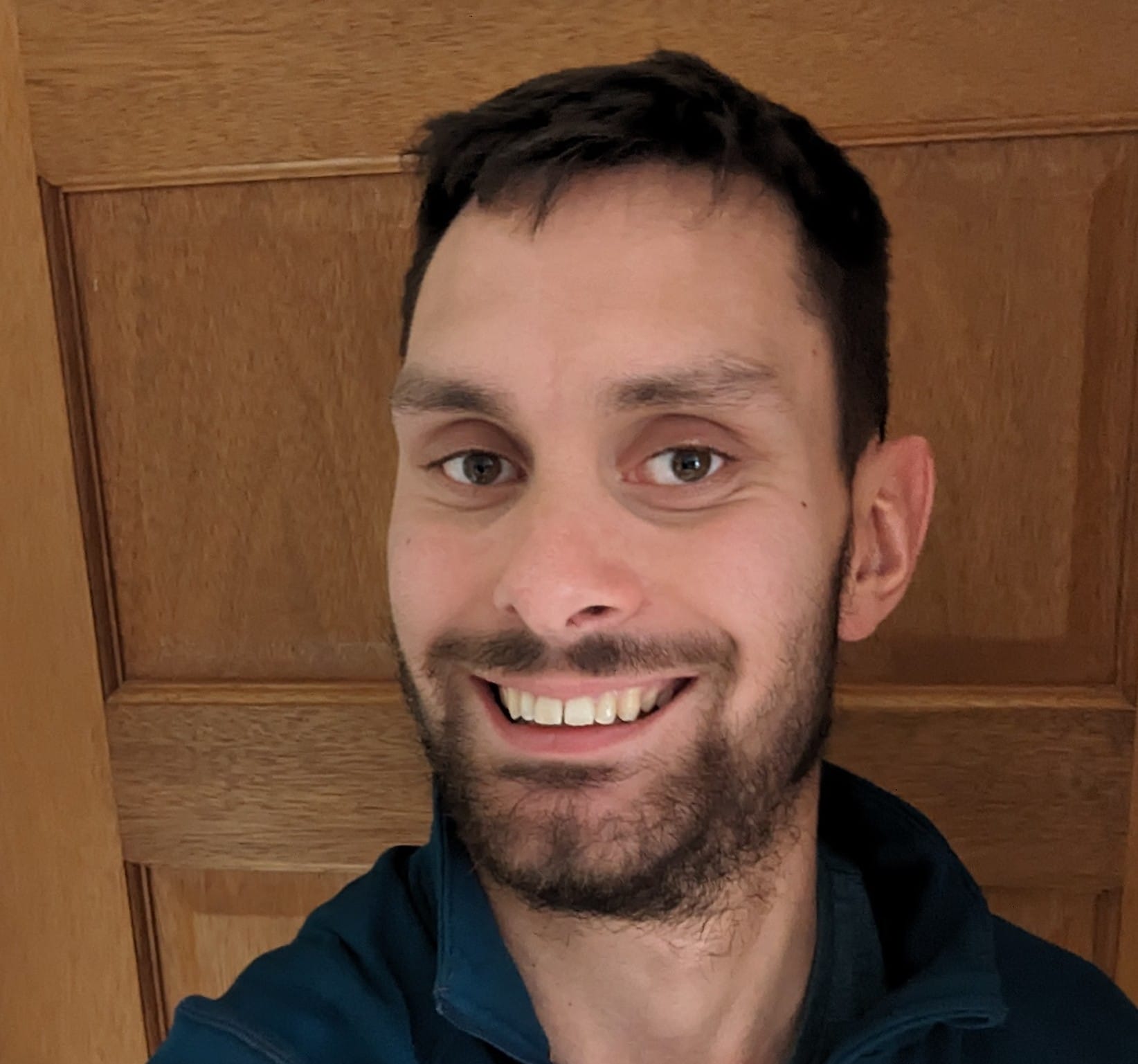
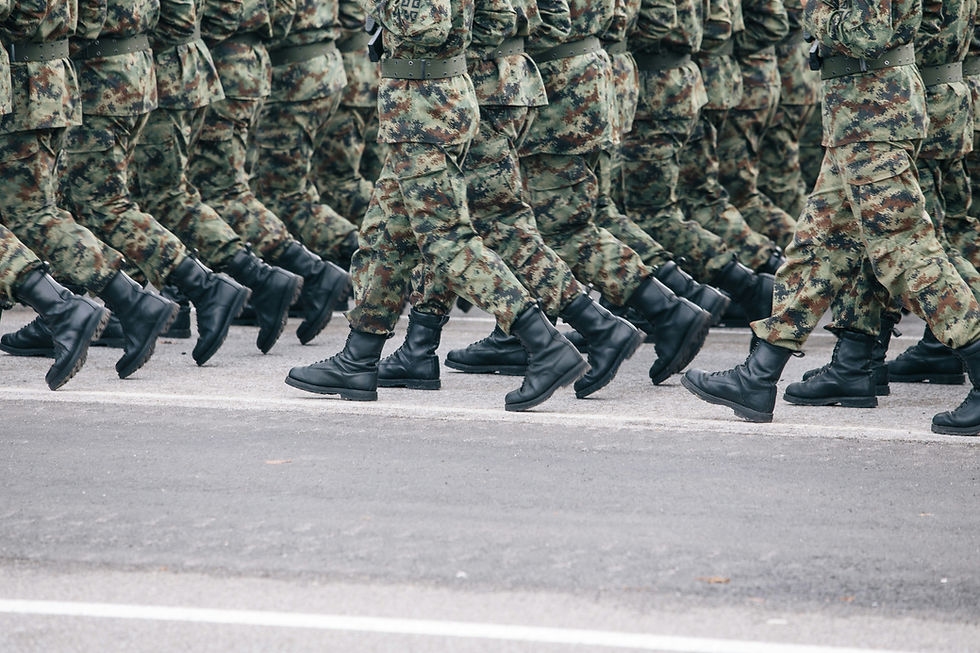
A perfect column of khaki moves across the concrete. 300 pairs of legs marching in unison, with military precision. If not for the basketball hoops on either end of our parade square, we would be indistinguishable from professional soldiers. The occasional adolescent voice crack of the parade sergeant not withstanding, we were that good, or at least so we all believed.
I am right in the centre, where everyone can see. I’m concentrating so hard on keeping pace that I don’t notice the loose paving slab. The world spins. Everyone stops, and hands reach out to scrape me off the floor. My face starts to burn. The shame builds to a pitch more powerful than my self-control, more powerful than the pervasive smell of boot polish and Lynx Africa.
The tears come, like waves of grief for the life I could have had, and the distance between the version of me I want people to see and the inescapable realities of my life I had been carefully avoiding for so long.
My presence on parade that day was itself an act of protest, an angry subversion of the expectation that I was somehow weaker or less capable than those I was alongside. After all, the positive euphemisms, which people had always used to soften my disability, matched the qualities needed for the military world: stoicism, determination, cheerfulness in the face of adversity. Any actual limitations were an inconvenience to be overcome by my strength of character. If anything, they highlighted my masculinity rather than detracting from it.
This mentality, this delusion, shattered on impact with that paving slab.
Performing Masculinity while Hiding Disability
Born with cerebral palsy and severe dyslexia, my school days were punctuated by hospital appointments and assessments. Despite this, I was protected from the harsher realities of disability by an extremely supportive family, always prepared to help me through life’s struggles, whether that meant conquering literal mountains or mountains of paperwork.
Sometimes this took the form of relentless encouragement; at other times, it came through more worldly means. Unbeknownst to me, my enrolment in mainstream secondary school had been refused. The school cited an inability to accommodate my needs. Did my parents keep this from me as an impulse of kindness or out of fear I might burn the school down? Either way. It wasn’t my concern; I was enrolled instead in an independent school with a stellar record for special needs provision.
This kind of problem-solving attitude served me well in everything from learning to ski to sitting my exams; the results defied everyone’s expectations except, of course, my own. More fool them for underestimating me. I’m not sure exactly when it happened, but at a certain point, I stopped acknowledging the necessity of those support structures. I started to believe that my attitude was enough.
In an ideal world, the clouds of pressure and expectation would part, and I would live the rest of my life in the sunny uplands of self-acceptance.
Instead, it became a warning of what could happen if people saw the fragilities of my life.
Why Vulnerability Felt like Weakness
The normal milestones in life became my competitions, the marching in step purely metaphorical but no less consuming.
At university, it didn’t matter how many evaluations told me I was entitled to extra time. Using it would have been a self-indulgent weakness, an act of entitlement. I could do the work and more, running societies, or literally running at every opportunity. People’s shock when I pounded past them was a reminder of just how wrong everyone was.
Present in everything and known by everyone, as long as they all remained at a manageable distance. Close real relationships were a risk. Besides, anyone’s attraction would surely evaporate if they were to carry the millstone of my life’s hidden complexities, which were so far from what I presented. Anything casual was out of the question, dismissed before it could even be entertained, or diverted before anyone could be disappointed.

The acknowledgement of these realities, such as they were, came in the form of banter; my wobbly walk guaranteed me entry into any club, provided my friends’ outrage was convincing enough to embarrass the bouncer. Their jokes about my balance spilling my round before they could drink it. So much meaningless noise. The next morning, I would outrun them all.
That is not to say those closest to me didn’t see the truth; the only person I truly convinced was myself. Watching The Undateables one night with friends, my housemate abruptly asked me to walk her home. She was observant enough to see my pain and astute enough to make the excuse masculine enough so that I wouldn’t dismiss it out of hand as a reflex.
The event that finally broke through the illusions was somebody else’s breaking point that unexpectedly became my own.
Counselling, Masculinity and Self-Awareness
A university friend experienced a mental breakdown that escalated into a suicide attempt. That event reframed something I’d been resolutely against my whole life: counselling. The traumatic event put me in the same club as those soldiers I had admired years before; gone were the old associations with counselling and people who simply couldn’t hack life. Strangely, that night represents the closest I ever came to embodying the stoical ideal I had chased for so long. My friend remarked that my mild reaction to the situation was unsurprising, given that I was a “robot man”. Hearing that phrase was the first time I realised just how isolated I had become.
Now I find myself in the strange position of being able to observe my own thoughts from a place of self-awareness, if not quite comfort. But being aware of one’s insecurities is not the same as being able to conquer them. It allows me to laugh ironically when people describe me as a “macho, macho man” and to see it as a wry compliment when my quiz team chooses a Superman figurine for my mascot. But I’d still be angry if they made the same jokes when I crossed the finish line of my latest race.

I look at the world now compared with the one I grew up in, and I wonder if I would choose the same path. Attitudes towards mental health and disability have changed profoundly. My social media feed is filled with children making videos about disability education policy with more self-possession and eloquence than I could manage now, let alone at their age. Disabled children now have role models who look like them, people who demonstrate the value of embracing difference rather than concealing it.
The teenager in the oh-so-shiny boots is still present and occasionally still wins, but his influence is softened by perspectives hard-won through experience. He could never have recognised that marching in step is only useful if all your destinations are the same. Now, when I run, it is for the satisfaction of self-improvement, not to outrun my own shortcomings, real or imagined.
This article has been sponsored by the Psychiatry Research Trust, who are dedicated to supporting young scientists in their groundbreaking research efforts within the field of mental health. If you wish to support their work, please consider donating.


