Chronic Illness Left Me Isolated; Embroidery Offered Connection
My Chronic Illness Left Me Isolated, but Through Embroidery I Found Threads of Connection
Overnight, at the age of nine, I went from an energetic, sociable child to housebound and isolated as Myalgic Encephalomyelitis (ME/CFS) and other comorbidities shrunk my world to my bedroom. ME is a chronic, fluctuating disease that causes symptoms such as severe fatigue, post-exertional malaise, pain, sleep problems, and brain fog. It can leave people bed or housebound, and there is currently no cure. As the years passed, I tried every form of low‐energy activity that I could do from bed.
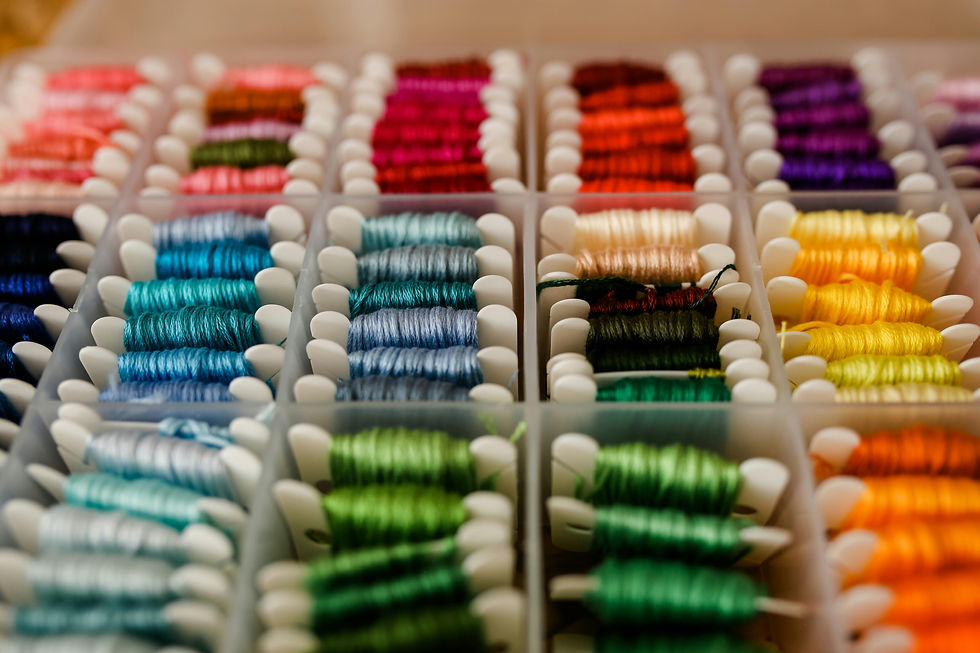
Seven years after first falling ill, my grandmother handed down to me pearlescent threads, sparkly fabrics, dazzling beads, fluffy clouds of silk fibre, and all manner of other interesting materials. Figuring I had nothing to lose, embroidery became my newest low‐energy activity and I was captivated.
At first, embroidery was just a hobby to cut through some of the boredom that comes with the isolation of chronic illness. But in those pearlescent threads and sparkly fabrics, I found much more than just a hobby I could do from bed. I found a mindfulness practice to cope with the isolation of chronic illness, as well as a way to connect with my disabled and chronically ill identity, and an online community.
Chronic illnesses, such as ME, often go hand in hand with isolation, causing feelings of loneliness and negatively impacting mental wellbeing. A 2023 study found that “social isolation is often an unavoidable consequence of living with ME” due to fluctuating and severe symptoms that often result in people with ME being “confined to the home and isolated.”
This study tells a story that resonates deeply with my own experiences of ME and isolation. Before I became ill, I was happily in school and playing with friends on the weekends. After first falling ill, I spent an hour or two a day in school before crashing out with exhaustion on the weekends. My isolation became even more acute when mainstream education became impossible and, whilst best for my education, being at an online medical-inclusion school left me almost completely isolated.
Embroidery became a way to cope with the feelings of loneliness and frustration that come with severe and fluctuating symptoms and the isolation of being often housebound.
However, everyone experiences ME and other chronic illnesses differently. Embroidery is, for me, often an accessible art form I can do from bed as a person with moderate ME. However, there are periods where symptoms, such as hand pain and severe fatigue, prevent me from being able to access it. Furthermore, people with the severest forms of ME, who also suffer the severest manifestation of isolation, may be unable to access any craft as severe ME can leave people bed-bound, unable to sit upright or tolerate any light, touch, or sound. Chronic illness is complex, so what is accessible and helpful to some people may be inaccessible to others.

The Mindful Power of Embroidery
Embroidery is probably not the first thing that comes to mind when you think of mindfulness. Meditation, yoga, and breathing exercises are perhaps more synonymous with the word. Mind states that mindfulness “works by taking your focus to the present moment and away from other thoughts.”
The repetitive popping sound of a needle piercing through tightly pulled fabric. The long whoosh as thread zips its way through the newly created hole. The considered concentration of where to place each stitch, each colour, each thread. All of these culminate in a creative, mindful practice to enjoy from bed.
The concentration, creativity, and repetitive actions help to distract my brain from my symptoms and the loneliness that comes with social isolation. Plus, simply stabbing tiny holes into a piece of fabric can be cathartic in and of itself when symptoms and isolation get tough.
Many studies show that textile crafts, such as embroidery, have a positive effect on mental health and wellbeing. A recent 2026 narrative literature review emphasised the “therapeutic benefits of textile craft in improving participants’ mental health and wellbeing,” particularly helping people through depression and negative thoughts by providing repetition, structure, simplicity, and a sense of purpose and achievement.
Hand & Lock, one of the UK’s leading embroidery brands, claims that embroidery can alleviate stress by releasing neurotransmitters that promote wellbeing and reduce stress hormones, as well as reducing anxiety, lowering blood pressure, decreasing heart rate and keeping the brain healthy. Hand & Lock stresses the mindful qualities of embroidery, stating that it keeps “us in the present moment, silencing the parts of the brain implicated in generating negative emotions.”
Connecting to my Disabled Identity

I started my embroidery journey with simple designs promoting this feeling of mindfulness, but I soon realised that the art form offered a way to explore and express my disabled identity.
Being socially isolated causes isolation from people with similar experiences, making disability and chronic illness lonely to navigate. Art can bridge this by giving disabled people a way to express their personal experiences, identity, and emotions.
My first big embroidery project was based on the disability pride flag. On a background of black fabric to represent disabled people who have lost their lives, I stitched five nerve cells (representing the neurological aspect of ME) in the five colours of the disability pride flag (each of which represents a different type of disability).
Researching the piece allowed me to learn more about disability pride and to express my experience through symbols that meant something to me, such as tiny forget-me-nots to represent the ME community and a nod to kintsugi to represent resilience.
More recently, as I embarked on a journey of discovering the value of mobility aids, I sourced an old wheelchair wheel and stitched nine panels representing nine disabled artists. Developing this piece gave me a greater feeling of connection to the community I had become a part of.

Connecting with Others
I shared images of these embroideries online, which resulted in connections with people across the world, especially other people who were similarly isolated due to disability or chronic illness.
Initiatives such as the Chronic Market (an online marketplace for artists and artisans with ME/CFS to sell their work and tell their stories), online crafting meetups, or simply people sharing images of art on their personal social media accounts all create an online art community.
Online communities are incredibly important to chronically ill people, providing a way to connect with people even when housebound.
Online communities based around art provide social connection and a space for a collective mindfulness practice or the creation of a platform for people to express their identity, tell their narratives, and engage with other people who have similar lived experiences.
Threads of Connection
When I first experimented with embroidery, I never expected that a combination of threads, fabrics, hoops, and needles would provide a tool to cut through the isolation of chronic illness.
Embroidery has given me a medium through which to express my emotions and experiences, and to connect with others. In embroidery, I have found a sense of community, even when I’m unable to leave my bed.
This article has been sponsored by the Psychiatry Research Trust, who are dedicated to supporting young scientists in their groundbreaking research efforts within the field of mental health. If you wish to support their work, please consider donating.