


Behind The Red Nose

Updated: Feb 25
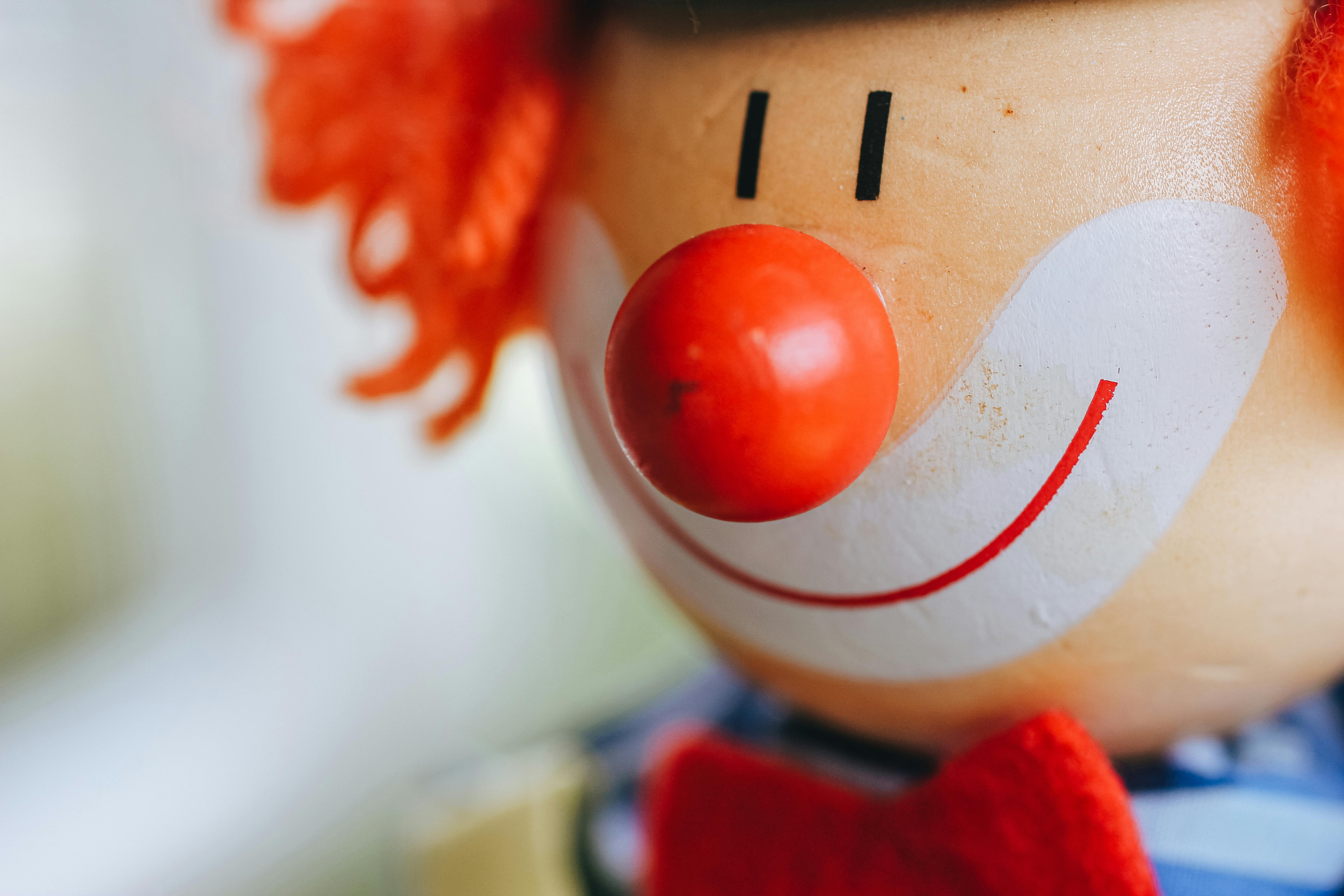
With every burst of laughter I drew from the crowd, the loneliness behind my makeup grew a little deeper.
My name is Shopia Green. I am a circus clown, and the image of my red nose, abandoned on the dressing room table, is the most honest photograph of my life. It is not just a prop; it is a portal. On one side, the vibrant world of the spectacle, where I am the embodiment of joy. On the other, the silence that consumes me when the last spotlight on the ring fades.
This is the story of my most intimate contradiction: how the very heart trained to make hundreds of people laugh is the same one that battles a depression that refuses to leave the stage. I am writing this now because I have finally learned to dance with that shadow.
The Mask of the Spectacle
Under the big top, the large tent that takes centre stage at any circus, the rule is clear: the show must never stop. Rain, cold, good days or bad—it doesn't matter. When the music starts and the lights come on, I become "Pippa," the bumbling clown who makes children and adults roar with laughter at her antics.
It is a magical, yet merciless, universe. The pressure to be always funny, always resilient, is constant and can be fertile ground for mental health struggles among performers. Backstage, between acts, other artists smoke, stretch, and joke. I would often curl up in a corner, trying to summon the energy for my next entrance. The persona of Pippa was so demanding that, at times, there was nothing left for Shopia.
The Loneliness Under the Spotlights
The loneliest place in the world is standing alone in the ring, under blinding spotlights, surrounded by the echo of laughter you created yourself.
While the audience laughed, I felt like a stranger at my own party. I was the centre of attention, yet completely invisible. People loved Pippa, but no one knew Shopia. This disconnect between the public persona and the private person began to create a chasm inside me.
In the dressing rooms, the contrast was physical. The smell of candy floss and sawdust gave way to the damp of old changing rooms. The glare of the spotlights was replaced by gloom. And the deafening noise of the crowd transformed into a silence so profound I could hear my own heart begging for peace.

The Day the Paint Ran
The turning point wasn't dramatic. It was subtle, but for me, it was an earthquake.
It was during a classic routine, the "infinite water glass." I was supposed to pour the water over myself. It was a routine I had performed hundreds of times. That day, as the cold water trickled down my face, something inside me snapped.
Instead of a funny grimace, my expression simply... vanished. I stood there, staring into nothing, with the water mixed with makeup running down my neck. The audience, confused, laughed nervously, thinking it was part of the act. But it wasn't. It was Shopia overflowing, unable to sustain Pippa for one more second.
In that moment of un-rehearsed vulnerability, I was no longer a clown. I was just a tired, wet, and sad person. And the emptiness I tried so hard to hide with jokes and pirouettes was now running down my face in streaks of black makeup for everyone to see.
The Discovery in the Wreckage
It was in that spilled, smeared overflow—where Pippa’s paint and Shopia’s tears finally mixed—that I found a path to healing.
The essence of clowning is not in perfection, but in the courage to fail gloriously. What makes a clown beloved is their shared humanity—their ability to trip and yet get up with a smile (or even without one).
I began to apply this wisdom to my depression. If Pippa could honour her failure, why couldn't Shopia honour her sadness? I stopped treating my pain as a flaw that ruined my art and began to see it as one of many colours on my emotional palette. This journey of self-compassion was fundamental. The vulnerability I had tried so hard to hide became my greatest tool. This freedom to be imperfect is a transformative power.
An Art Reborn from the Ashes
This radical acceptance did not weaken my art; it made it more truthful.
My performances evolved. I was no longer acting out joy; I was acting out life. Sometimes, Pippa would be quiet, just observing the audience with a serene expression. Other times, her sadness was incorporated into the act, creating a deeper, more melancholic comedy.
To my surprise, the audience connected even more. They felt the authenticity. People weren't laughing at the clown; they were laughing with the clown—and, somehow, with the woman behind her.

My Life Now: An Imperfect Balance
My story is not about defeating depression, but about learning to coexist with it.
It's about discovering that the clown's light doesn't shine in spite of the darkness, but in contrast to it. The courage to wear the red nose is the same courage I need to look in the mirror and accept the woman behind the smeared makeup.
Laughter and tears are not enemies; they are companions in the same existence. Honouring this duality is what makes us whole.
Today, I carry my red nose not as a mask, but as an invitation. An invitation to celebrate the messy, imperfect, and profoundly human beauty of simply being.
And in the end, that is what art, healing, and life truly are: the courage to show your true colours, whatever they may be.
This article has been sponsored by the Psychiatry Research Trust, who are dedicated to supporting young scientists in their groundbreaking research efforts within the field of mental health. If you wish to support their work, please consider donating.


