


Dementia, families and carers' wellbeing during the Holiday period

Dementia is a progressive neurodegenerative condition that affects the brain and causes issues with memory, behaviour, emotions, and communication. The most common form is Alzheimer’s disease, which is characterised by a slow decline in cognitive and motor functioning, with symptoms including trouble concentrating, finding the right words to communicate, issues with remembering events, people and places, and controlling movements. Many individuals also experience secondary mental health symptoms such as depression and low mood, anxiety, aggression, lack of motivation, and hallucinations, all of which have a significant impact on both patients and their families and carers. In the UK, dementia and Alzheimer’s disease account for 1 in 10 deaths, making them the leading cause of death.
While the holiday period is often associated with joy, tradition, and togetherness, it can be distressing and emotionally demanding for people living with dementia and those who care for them. Families may come together after time apart, sometimes noticing changes in their loved ones for the first time.
My name is Heidi and I am a student on the MSc Clinical Neuropsychiatry course at King’s College London, with a particular interest in neurodegenerative disorders. Through my placement at an adults’ dementia hub, I have become aware of the unique challenges faced by people living with dementia and their carers. For many, this emotional toll can be heightened during the holiday period.
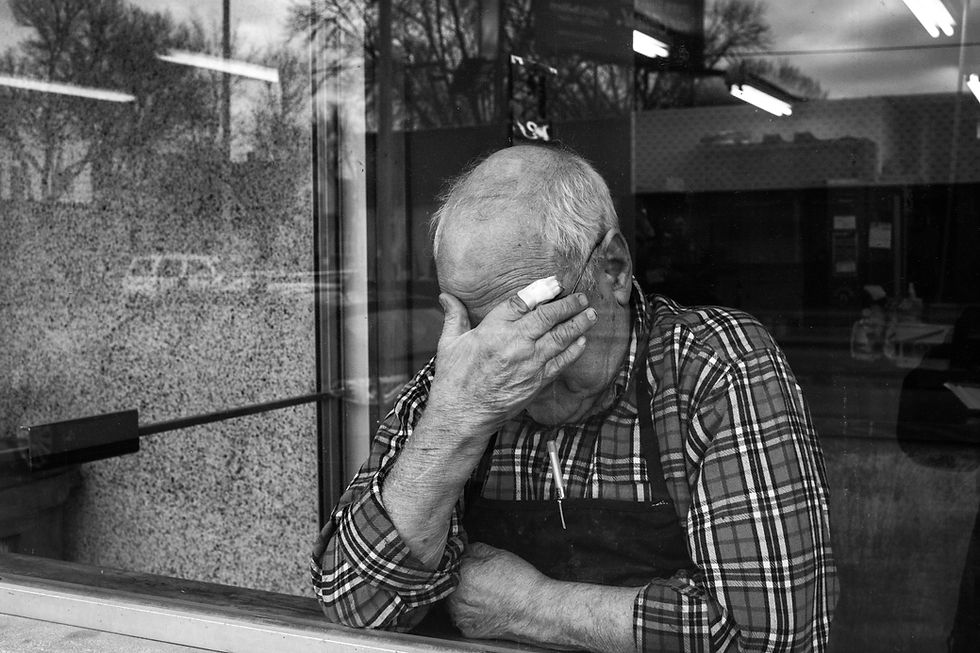
Challenges for People with Dementia during the Holiday Period
Festive occasions can be overwhelming for people living with dementia. Disruptions to familiar routines, unfamiliar social settings, and sensory overload can all contribute to distress. Decorations, flashing lights, loud music, and multiple conversations may trigger confusion and feelings of loss, making celebrations difficult to navigate.
According to the Alzheimer’s society, in 2023 around one in four people living with dementia were unable to recognise family members at Christmas, and one in five were unable to hold a conversation with them. When relatives reunite after time apart, changes in cognition and communication may become more noticeable. Difficulties with memory, decision making, and verbal fluency, which are less apparent in brief encounters, can become clearer during longer visits.
People with dementia may struggle to recognise relatives they have not seen for some time, which can be particularly distressing when family members expect them to behave as they did previously. This sense of pressure can heighten anxiety and agitation, especially in busy environments, and in situations where young children may not understand these changes.
For those living with dementia, the struggle to interact with family members during the holiday period can cause agitation or disorientation, leading to behaviours that appear anti-social, such as withdrawal or shouting.
I observed this on one of my placement shifts, when a woman with dementia became distressed after being asked to write her age on a sign-in sheet. Unable to recall information, she grew increasingly agitated and repeatedly tapped her daughter, who was also her carer. The daughter responded calmly and reassuringly, helping her work through the task together.
Although this interaction occurred in a seemingly minor situation, it highlighted how everyday demands can become overwhelming. Observing the woman’s distress highlighted the emotional strain individuals with dementia face, and how this can be exacerbated during the holiday period as they try to navigate the world around them with minimal insight into their decline in cognition.
The Emotional Impact on dementia carers
During the holiday period, carers are often the ones providing support while witnessing changes that may feel more noticeable with each passing year, making this emotional impact especially strong.
The end of year period can create a strong sense of responsibility, pressure, and anxiety for carers. They may want to participate in family traditions, whilst simultaneously caring for their loved ones' needs and coping with the memories of how they once were. They may worry about how their loved one will behave in social settings and how their symptoms will manifest as the condition worsens, causing them to be excluded from family gatherings altogether.
A 2023 survey by the Alzheimer’s Society found that 65% of current carers reported that Christmas would never be the same, describing how dementia had ‘robbed’ them of a carefree and joyful festive season. This can be particularly difficult when loved ones are no longer able to participate in activities, or when families must celebrate without them, following significant deterioration and a move into residential care.

During group discussions at the hub, facilitated by a qualified counsellor, carers were encouraged to share their experiences and receive professional support. One man caring for his wife reflected on the travelling and activities they once enjoyed together, describing her former personality as bubbly and outgoing. He explained that her behaviour now felt entirely out of character, remarking, “I no longer recognise the woman that I fell in love with.” This moment captured the grief, emotional strain, and sense of loss many carers experience, even while their loved one is still physically present.
Enhancing Wellbeing in Dementia Care
One of the most important lessons I learned from volunteering with people living with dementia is the value of simply being present. Many individuals enjoyed talking about their past achievements and memories; having someone listen and ask them questions often made a visible difference to their mood.
I regularly attended the ‘Music for the mind’ sessions, where participants could play familiar instruments or listen to music. Some individuals who rarely spoke in other sessions began singing along well-known Christmas songs, highlighting how music can create connections when conversations alone cannot. Its ability to evoke memories, soothe agitation, and enhance meaningful interactions makes music an essential tool for those facing cognitive challenges.
Wellbeing walks in nature and hobbies also prove beneficial. For those living alone or in care settings, this offered a sense of safety, routine and companionship. Preferences varied with some enjoying chatting over coffee at the hub, while others preferred quiet activities such as puzzles. One participant told me he felt more optimistic for the rest of his day after the weekly walks. This reinforced the importance of recognising what individuals still enjoy and making a conscious effort to keep those activities part of their lives.

Creating a Dementia-Friendly environment in the New Year
In 2025, a record number of people were living with dementia, with around half a million individuals supported by the NHS following a diagnosis.
The New Year may be a particularly challenging period after a recent diagnosis, but simple, meaningful activities can make a significant difference for both patients and carers. After spending more time together over the holidays, families may begin to recognise changes and seek support. Maintaining consistent routines around mealtimes, daily routines, and sleep, can create a sense of stability. Keeping gatherings small and familiar, and encouraging calm, one-to-one conversations rooted in personal memories or familiar music, can also reduce anxiety and provide reassurance.
If someone appears quieter or more withdrawn than in previous years, helping them feel safe and comfortable is often the most valuable response. It is equally important to check in on carers, ensuring they feel supported and able to enjoy time with family they may not often see.
By raising awareness of the challenges faced by people living with dementia and their carers at the start of the year, we can foster greater understanding and support to help everyone feel secure, connected with loved ones, and hopeful for the year ahead.


