Even when I was lonely, I still had my eating disorder...

Trigger Warning: Discussion around inpatient mental health units, discussion of eating disorders, discussion of loneliness.

No matter what, at least I have control. Or that’s what I used to think…
When I was 14, I was admitted into hospital with an eating disorder; I left my home, my family, and my community all behind. Not knowing how long it would be until I was able to go home, I was scared and very alone.
The very thought of the distance that I was away from my home made me feel ill. And yet, though every day I would sit with groups of young people who were struggling with similar things, I would still feel so alone. The only thing that I took with me into that hospital was my eating disorder. Had my eating disorder really become my closest friend in here?
My name is Megan and I currently work for Toucan (the West Midlands CAMHS Provider Collaborative). I support with commissioning projects by using my experience with mental health to insight change within the services. I have decided to write this article to help people understand the complexities of eating disorders and how the treatments offered can often be counterproductive. I hope that this article can be a talking point for change in these (often dated) forms of treatment.
When I first met my eating disorder
My eating Disorder developed during the Covid Pandemic. I was always enthusiastic about education and was very sociable, so when the pandemic hit all of that was taken away from me.
I was, like everyone my age, unable to socialise with my friends. I became very lonely and unfortunately, slipped into the hands of an eating disorder. It didn’t let me go and just pushed me further and further away from the people that I loved. Only worsening my loneliness. It wasn’t long before my illness just felt all consuming. Despite the clear effect the eating disorder had on me, leaving me lonelier than ever before, I wasn’t able to come to that realisation.
The separation
I sometimes think about the separation from my eating disorder like a breakup. I had to build up enough anger towards it so that I could recognise that it was causing me harm. Which is hard to do when you feel like your very existence relies on it.

The eating disorder gave me comfort and reassurance when I needed it, but then tortured me when I went against it. The interesting thing is that when I was admitted into hospital, the eating disorder felt like it was the one person who I took inside with me. It was the closest thing I had to a family member living with me.
I often look back on that time in my life and think about how it was a miracle that I ever recovered. My eating disorder would have kept me there if I hadn’t realised how much control it had over me. The eating disorder didn’t give me control; it had control over me. Once I finally confronted and understood that fact, I broke up with it. I got back to the people who actually loved me.
Are inpatient stays counterproductive?
Treatment for eating disorders vary, and while some people can receive treatment at home, many young people experience inpatient stays – whether that’s in a general hospital, eating disorder hospital, or Tier 4 hospitals (a specialised care setting for young people with severe mental health problems). I often feel very conflicted about my own experience being hospitalised, though I understand now that being hospitalised protected me and maybe it was what I needed.But there is also a part of me that thinks that it prolonged my recovery.
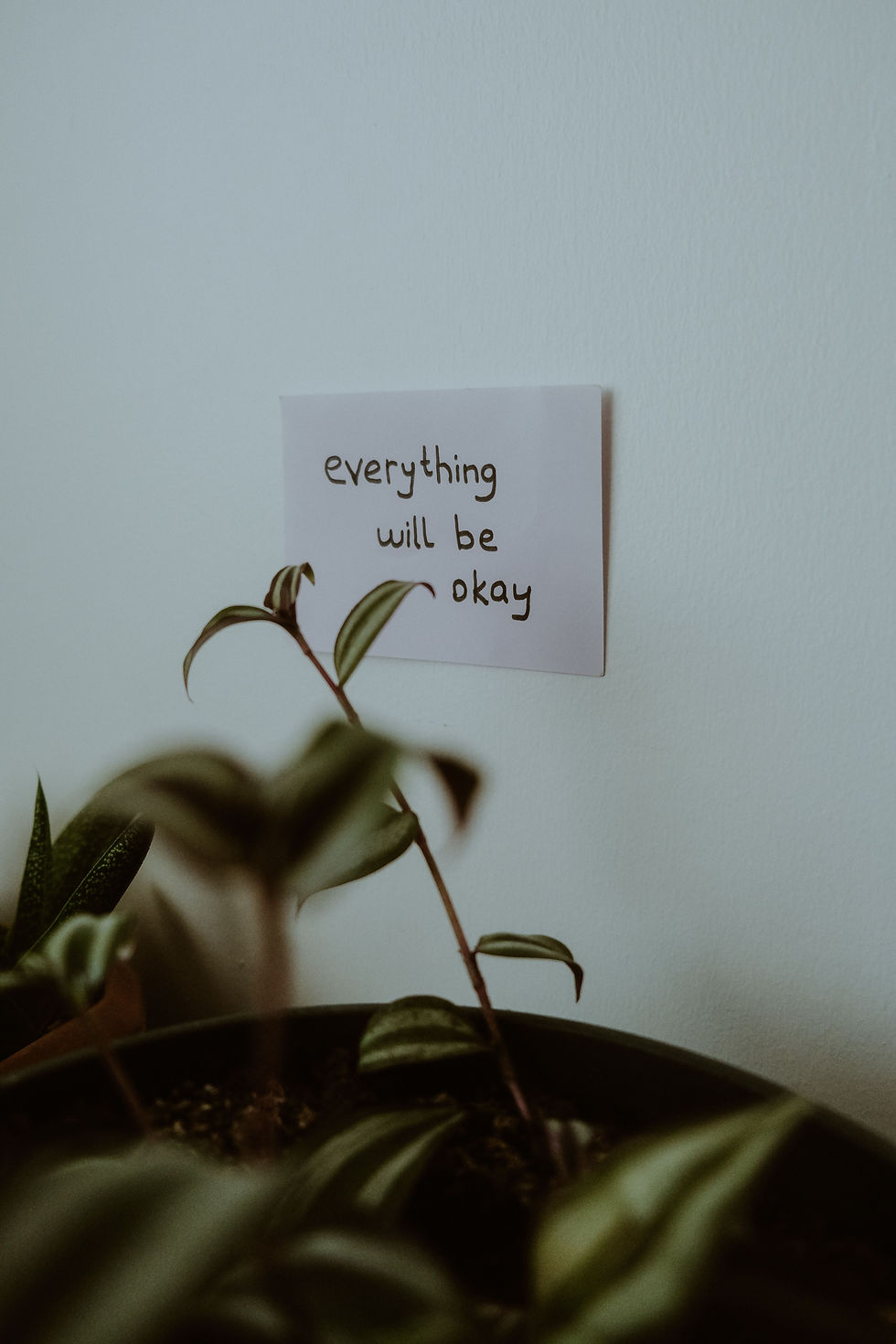
My eating disorder was predominantly a result of being lonely and feeling powerless during lockdown; the eating disorder offered me control over something finally, and I accepted it. I have always been someone who finds comfort in plans and structure, so it makes sense that I spun so quickly into the midst of an eating disorder.
I understand the need for hospitalisation to keep people safe from harm – I guess that’s what hospitals are for! But when did mental health hospitals become so closed off and alienated? Why is there a time limit on how long family can visit for? Why can units be so scary to visit? Why did I always feel unable to talk to other patients and even staff?
A call for change
It frustrates me that inpatient mental health units are such isolating places. The nature of an eating disorder is to push loved ones away so that the illness can have complete control over you. So how can recovery take place when a young person is physically removed from their home where those people live, and instead isolate them with the illness alone?
The eating disorder has ultimately got what it wants. It’s not long before you start to think and believe that the loneliness is too overwhelming and all consuming, but at least the eating disorder is always there.

Looking back on this time in my life it sometimes feels like a miracle that I was even able to recover. The life-changing experience of being admitted into hospital when you are a young person is one which I wouldn’t wish on anyone. I understand that this all seems scary. But once I was able to have home leave and have longer family visits alongside full holistic support from staff, I was able to recover.
The less isolated I was and the more human interactions I had, the easier it became. You may have personally experienced an eating disorder, known someone with an eating disorder, or are just curious about what I meant in the title. Regardless of why you are reading, I want you all to know: it is possible to recover!
I have hope. Hope that mental health services will notice this link and notice that long-term inpatient stays prolong recovery.
I hope that this article helps recognise the direct link between loneliness and longer inpatient stay for people battling with an eating disorder.
And finally, I hope that more options for treatment in the community are made available to reduce risk of isolation that can come with long term inpatient stays because ultimately, the journey can become far easier once you are not alone.
If you or someone you know is struggling with an eating disorder, there are organisations that may be able to offer some support and guidance. Follow the links bellow to find out more:
Beat - the UK’s eating disorder charity offers support for both people battling an eating disorder and those who care for them.
NHS overview - information about eating disorders (NHS England)
This article has been sponsored by the Psychiatry Research Trust, who are dedicated to supporting young scientists in their groundbreaking research efforts within the field of mental health. If you wish to support their work, please consider donating.