


Losing More Than My Home After Leaving Venezuela
Updated: Feb 26
I was born on December 3rd, 1993, in Caracas’ busiest hospital. I spent my early years in a high-rise apartment at the top of a mountain in Manzanares, living a quiet, ordinary life. Everything changed when Hugo Chávez, once the face of a failed coup, rose to power. My dad saw what was coming, and we eventually left for the United States.
Looking back, it's painful to see how the Venezuelan diaspora, my family included, was shaped by those decisions. What once seemed like a noble decision by my family for the sake of our democratic future became a nightmare with no end in sight. There's nothing left for me to do but chronicle why and how we arrived at our current state.
The nostalgia of others colours my memories. At least that’s the Venezuela I know now, through the rose-coloured lens of my family’s memories and testimonies. A Venezuela that once thrived economically and socially. Venezuela, which used to host well-known artists from all over the world. A country whose complexities and eccentricities get left out of these imagined glory moments of the past.
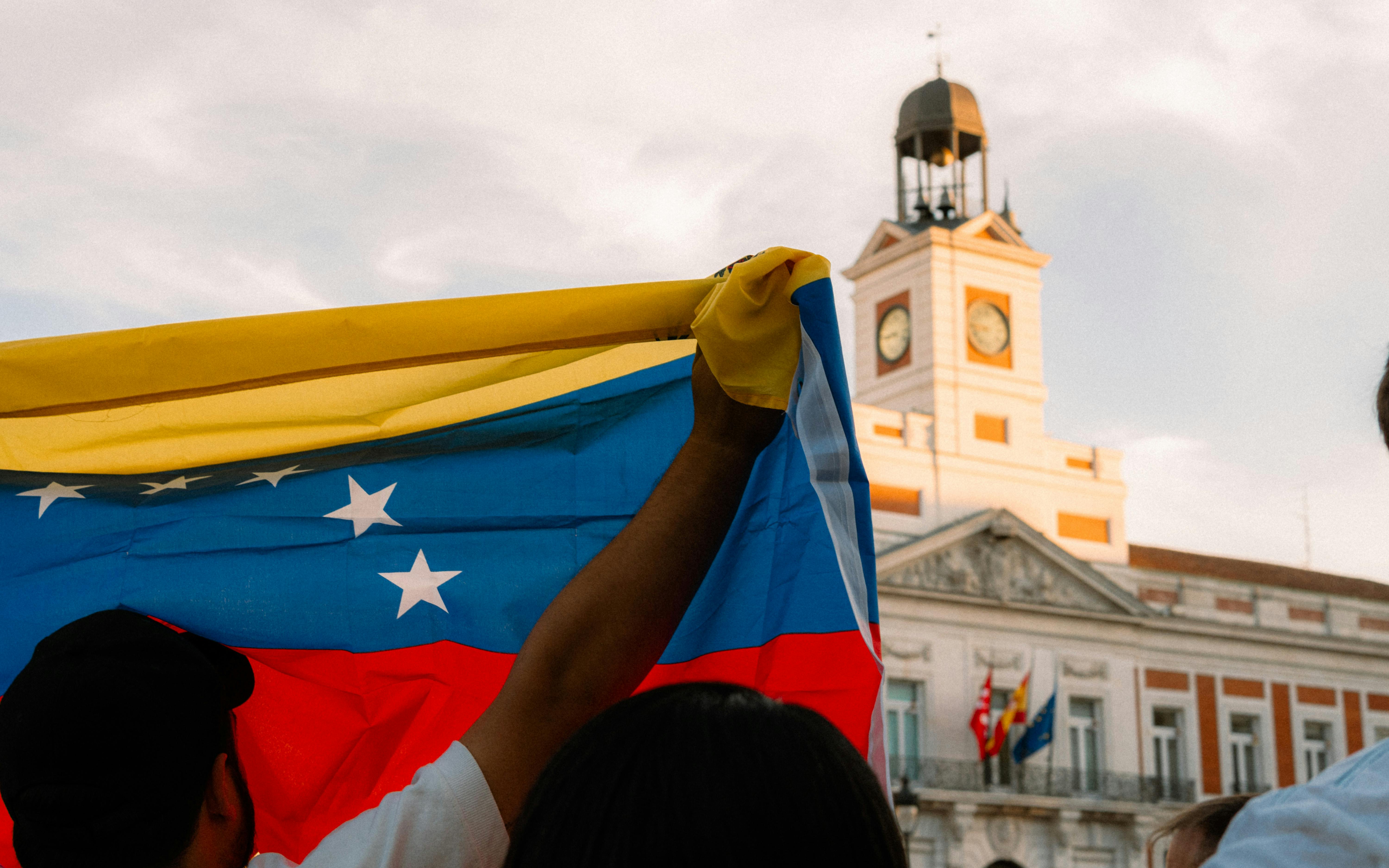
Much to my family’s disbelief, I still remember a lot from my life in Venezuela. More than they’d like to admit, anyway. I remember the hustle and bustle of a busy Caracas street. The smell of rust coming off my favourite slide on the playground my grandfather would take me to every weekend. I remember my room overlooking Cordillera de la Costa Central. I remember it all. It makes it harder to live with the dissonance between their nostalgia and my understanding of it now. That dissonance has only deepened in the wake of the events of January 3rd, 2026, when the Trump administration forced my memories out of nostalgia and into something harder to live with.
Uprooted And Upended
Political disarray has shaped my worldview. My family and I moved to the United States when I was 8 years old. We left a country on the brink of economic and societal collapse in search of a better life. Our immigration story, however, is quite mundane. We didn’t cross dangerous borders on foot, nor did we stow away in the back of trucks. Brave people did that. My family and I were fortunate enough to land safely on US soil after a three-hour American Airlines flight on August 11, 2001. Ironically, it was exactly a month to the day before the Twin Towers collapsed on September 11, 2001.
Deep unrest is all I’ve ever known before moving to another country, which is already one of the biggest uprooting anyone can do, especially at the age of eight. I still remember various birthdays held in front of the television during one of the many elections held under Chávez, and more recently, under Nicolás Maduro. My family would gather around, holding hands as they tried to will an alternative result. One where the authoritarian regime is flushed out of a country, begging for life. It never worked. It’s complicated and it always will be.
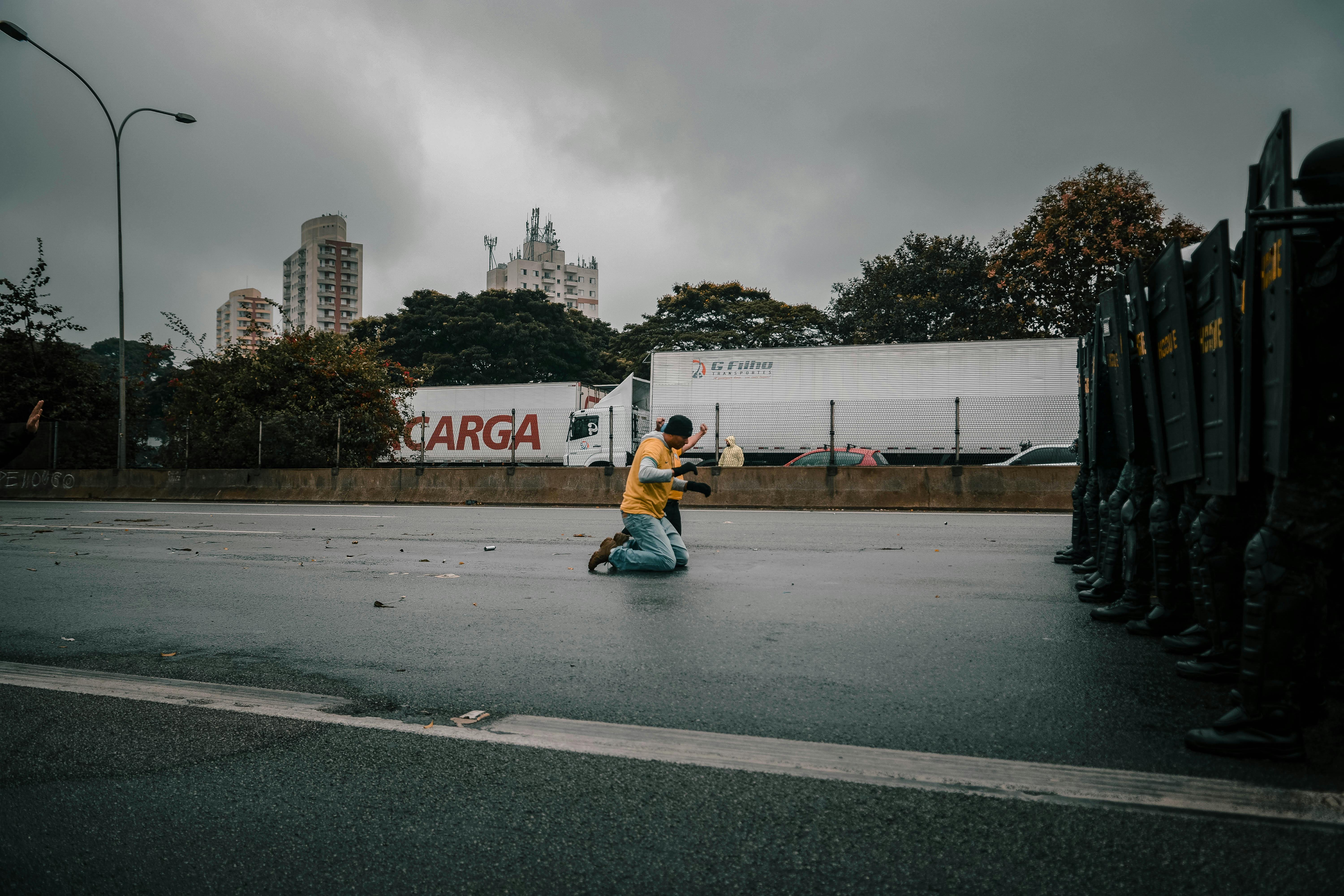
After January 3rd, things have only grown more turbulent in my mind. How do I condemn the joy Venezuelans feel at the sight of Nicolás Maduro, a man deeply connected to their suffering — being taken away? Even when those same forces belong to an administration now roaming the streets of the United States, terrorising their own citizens? Masked men who drag people from their homes and off the streets into unmarked vans in unknown locations, never to be seen again? It sounds familiar, I’ve been here before. I once escaped this when I came to the US, or I thought I had.
The Disarray of It All
Understanding the complexities of my background and our present political landscapes has become a world of landmines. Each is individually crafted to blow up at any moment. My anxiety is the trigger. As political tensions in Venezuela rose throughout the years, so did the radicalisation of the Republican Party in the United States. With it, my family’s belief that right-wing ideology would save Venezuela from the clutches of an authoritarian socialist government one day. What they failed to see amid the deep political trauma is the same thing they were running away from would ultimately catch up to them, too.
I don’t know at what point my mind and the world around me merged into one messy ball of chaos. Was it the day we left Venezuela? Or the day I understood the complexities of my birth country and the one that now hosts me. I’ve yet to feel at home in the United States, even after over two decades.
Slowly, Gently Down My Mind Goes
The first time I had a panic attack, I was on my way to school. It was my first day at my new school in the US. I didn’t know what a panic attack was. I just assumed all the other kids being ushered into the classroom felt the same, and that they were just better at hiding it. Turns out, I was experiencing severe separation anxiety from my family. Being in a new country, a new school, with new people, and learning a new language. I had one new experience away from collapsing in front of my new second-grade teacher. It didn’t get any better as time went by.
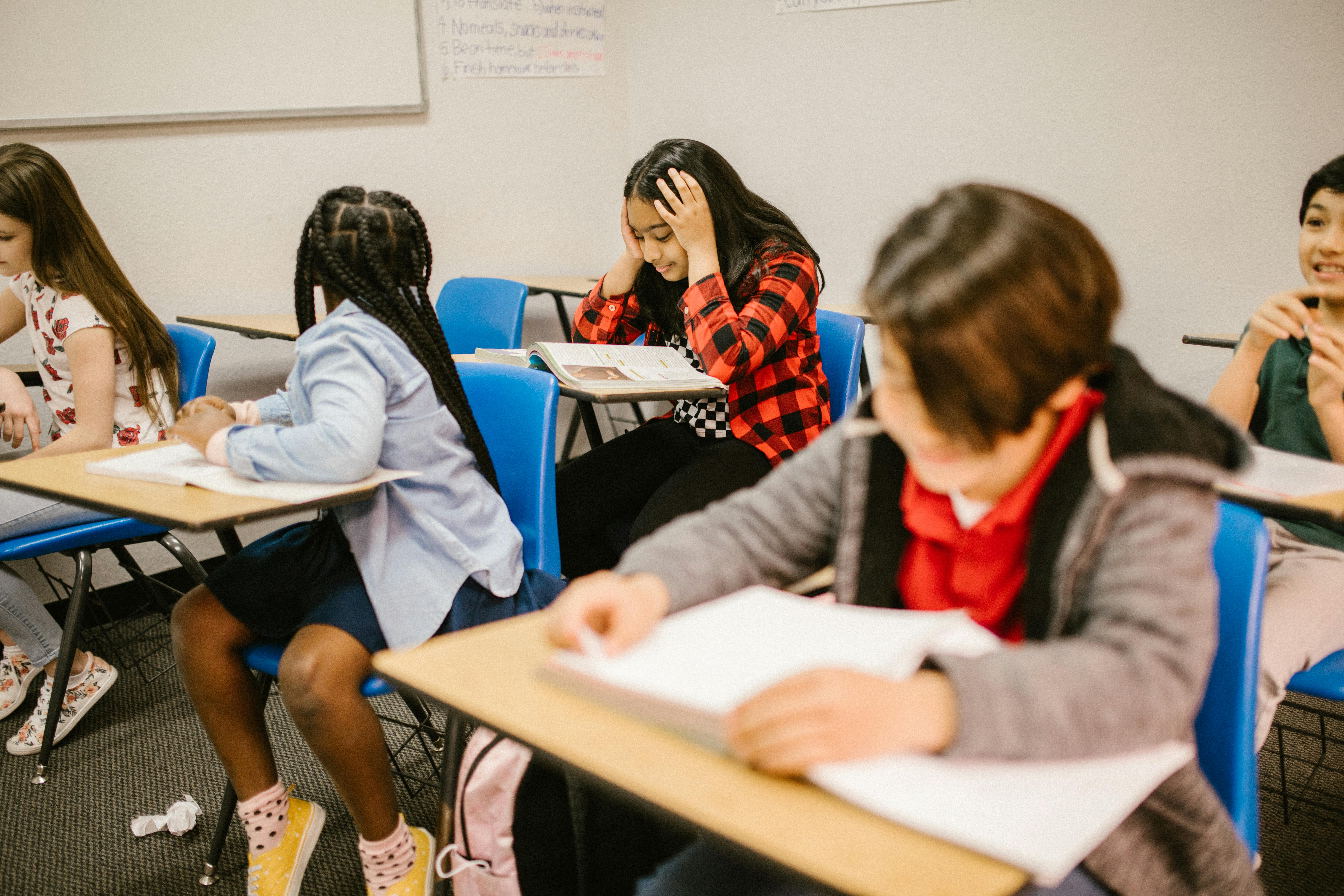
My internal unrest slowly and intricately weaved itself with the unrest of my family. The conflict between my birth country and this new world is filled with contradictory ideologies. My anxiety is directly linked to my fear of leaving home, and this is no coincidence. Where is ‘home’ for me anymore? My family has succumbed to the dizzying rooms of smoke and mirrors Republicans have conjured to keep their base in check.
Brave New World
As I grew older, I grew weary of my family’s political stances. They parrot back to me conservative talking points with such conviction and clarity, much like some American progressives who seem to believe Venezuelans live in a socialist utopia. Both are so sure yet so wrong.
Living in a home where every conversation on politics feels like a test I’ll never pass is exhausting. My family’s paradoxical way of looking at the world has triggered a deep anxiety in me. How do I please my family’s political trauma but also stay true to what I know? Their paranoia has been stoked by forces much larger than me. My family has been convinced to vote against their own self-interest. Against my own humanity. I am treated like an outsider in my own family because I leveraged them in the one thing they wanted me to have: an education.
I move through the world with extreme caution because of it. This has closed me off from others in a way I never anticipated. How can I ask for understanding of others when my family can’t even extend that courtesy to me? There’s no simple answer here, and there’s no clear winner. We live in a world where the word truth has lost all meaning. But I am able to manage, to survive. Living in this brave new world my parents dreamt of for us seems impossible for me now.
This article has been sponsored by the Psychiatry Research Trust, who are dedicated to supporting young scientists in their groundbreaking research efforts within the field of mental health. If you wish to support their work, please consider donating.


