


Overcoming Acne in Adulthood

Updated: Feb 25
Severe acne may seem only skin deep, but its effects on mental health can be devastating.
I’m Anna, a primary school teacher and writer who has struggled with acne since my late teens. I have been through almost every treatment imaginable, and have suffered the consequences of this visual, mental, and medical condition for over six years.
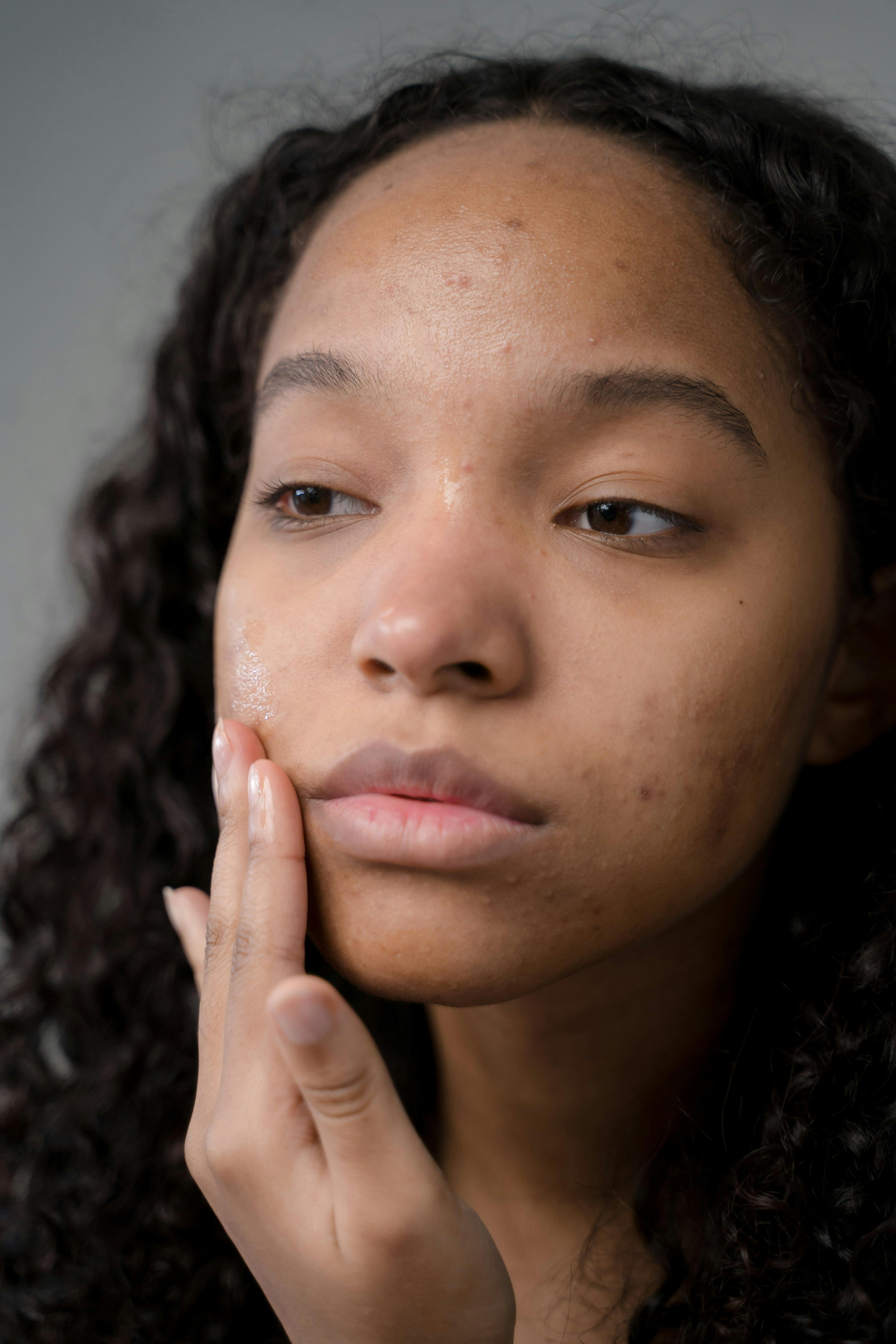
Acne is a term most people are familiar with, whether from their own hidden school photos or the plague of teen movies that overuse it as a plotline. However, for the group of us who are unlucky enough to suffer it into adulthood, what was once a harmless phase can have a big effect on both physical and mental health.
I began to develop acne at fifteen, and although the itchy red bumps, protruding whiteheads, and blossoming scars were uncomfortable, I didn’t feel like I particularly stood out. At university, however, this barrage of spots so visible on me no longer showed on the faces of my peers.
When others began taking endless selfies and posting their faces for the whole world to see, I hid mine away, only posting group photos, or ones taken in lighting moody enough to blur my skin into looking normal. My confidence was shattered, and I found myself drowning in social anxieties about people seeing me, judging me. The constant comparison to my clear-skinned peers was exhausting.
Severe acne, though it may seem superficial, can have huge effects on a person’s self-esteem, and carries with it a long line of medications and frustrating doctor’s appointments. However, after many struggling years, I have finally been able to feel comfortable in my own skin.
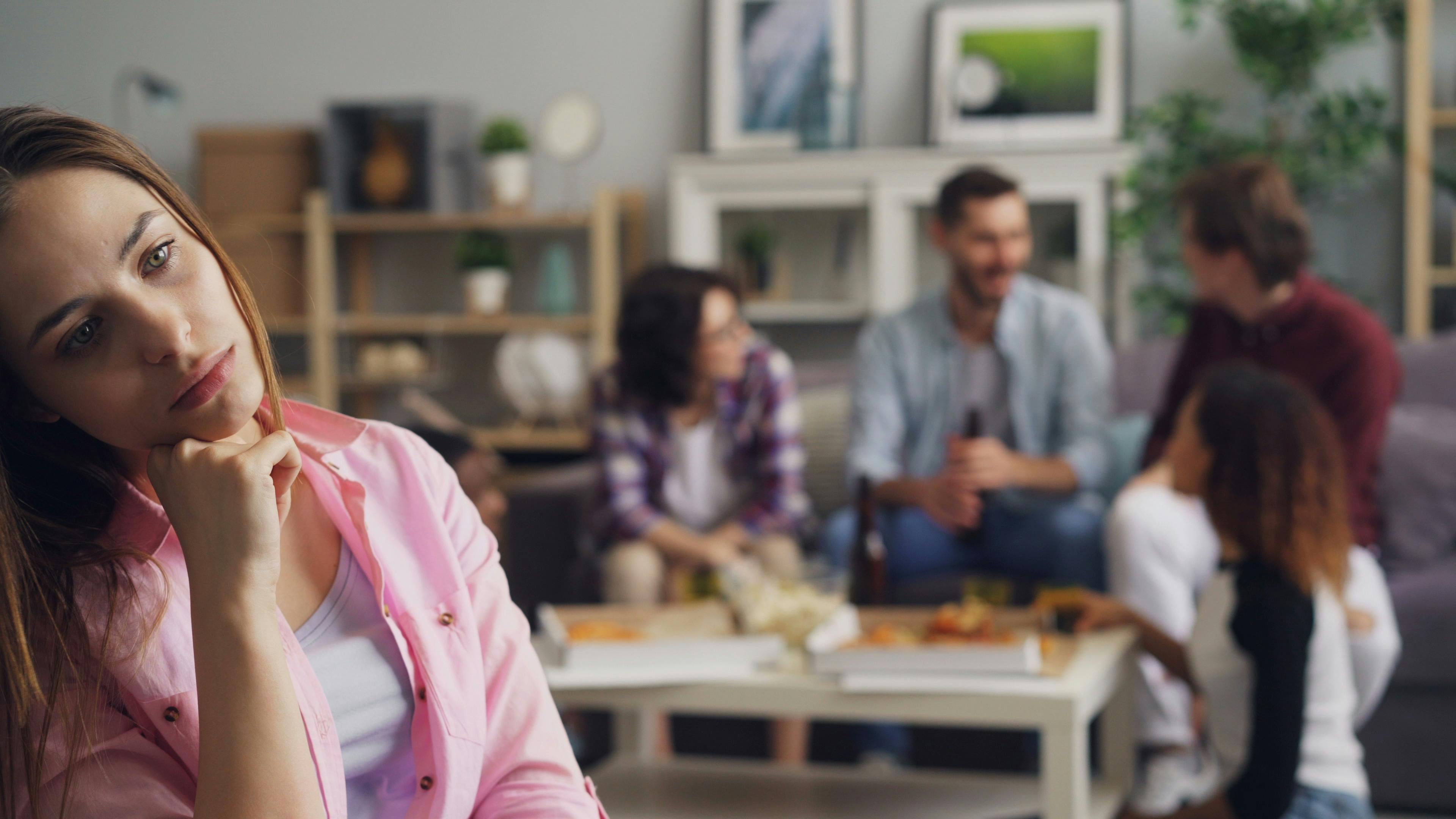
Anxiety
It’s my third year of university and I am attempting to apply make-up whilst not looking in the mirror. Unsurprisingly, it’s not going well. The best concealers can’t disguise dark pink scars under my cheekbones, and even if they did, the dimpled texture is uncoverable. I look up methods of blending away acne on TikTok and am hit with reams of porcelain-skinned models telling me to ‘just drink more water.’
Suddenly, the dress I’m wearing begins to itch, the shoes become too tight, and the inevitable excuse text is sent to the group chat. It complains of period pains, or something more understandable than the fact that I don’t want to see my own face, or for anyone else to see it either.
When discussing acne with a friend who also suffered, I remember her telling me that ‘It’s all you can see, so you forget that other people don’t notice it.’
But that’s easier said than done. Acne became the only thing I would see if I looked in the mirror, the photo, the Instagram post. At points, it would stop me from leaving the house, and low self-esteem began to dictate the life I was living.
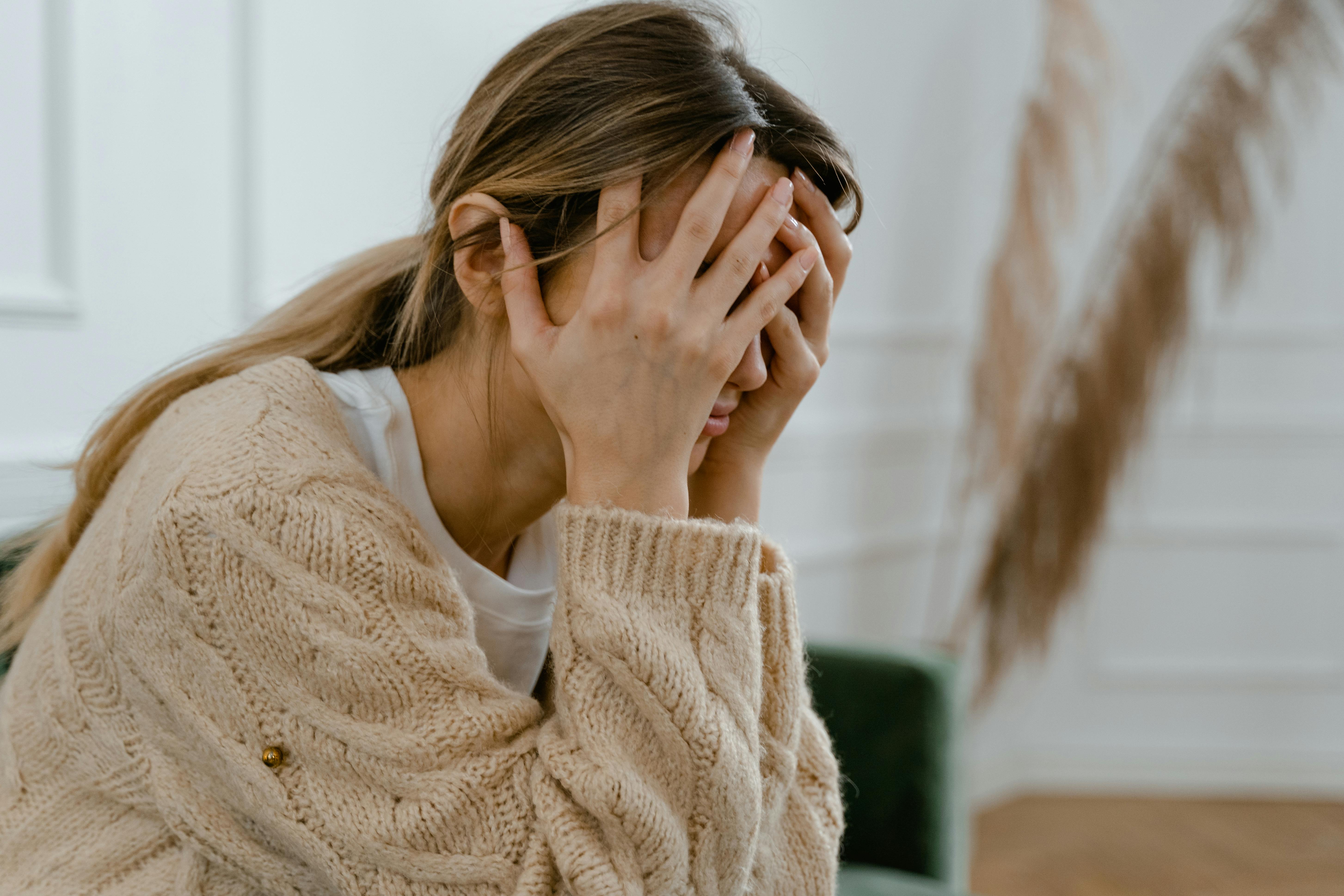
The Pill
Going to the doctors wasn’t straightforward for me, as I struggled to see acne as something that warranted medical attention. It felt selfish, taking up the doctor’s time for a condition that was only on the surface. But it was affecting my mental health, and my sense of self. Supported by friends, I finally booked an appointment.
I would’ve liked that to be the end of it, to have been handed a cream and to have clear skin forevermore. Unfortunately, that wasn’t the case.
Firstly, I was told it was hormonal, and that the only answer was to go on the contraceptive pill. I could fill a page with the different pills I was put on, all with beautiful names like Dianette and Yasmin. They sounded like fairies from a children’s book but impacted my body in ways I was unaware of. Having recently read ‘How the Pill Changes Everything’ by Dr. Sarah E. Hill, I realised why each of these pills made me feel so different. Fluid retention made my face rounded and moon-like, hormones dulled my emotions, and I felt a disconnect with my own body that I only recognised once I’d stopped the daily dosage. The continuously fluctuating hormones had effects on my body that I’m still living with today.
Alongside this, I was also prescribed two rounds of antibiotics and copious amounts of retinol creams, all to no avail. After nearly two years of trying to clear away this onslaught of spots, I was prescribed the giant of all acne treatments: Accutane.
Accutane
Accutane, or Isotretinoin Roaccutane as mine was called in the UK, clears acne by reducing the production of sebum: an oily substance produced by the skin. In short, it prevents your body from producing spots by drying out your skin (and lips, and hair…) so that there’s no oil to make them.
And just like that sounds, it’s horrible.
When I first went on this medication, my cousin told me that you can tell who’s been on Accutane, because they have unusually strong opinions about lip balm and body lotion. In the future, anyone who asks me about it will immediately receive the response ‘CARMEX AND AVEENO’.
Added to my trial of desert-ified dermatology, I also found that doctors were unsympathetic, to the point that no one actually explained to me what Accutane was. One appointment where I asked for a different contraceptive pill was especially memorable: Because Accutane can cause severe birth defects and miscarriages, it's important to avoid pregnancy whilst on it. However, at this time, I had been on a contraceptive pill for over a year that I was originally told would cause blood clots if I took it for more than six months. I voiced my concern to the doctor, asking to switch to a different pill. The doctor ignored my request, instead shouting ‘You will kill the baby!’.
All further questions suffered the same infanticidal response, along with a jabbing finger at a diagram of a pregnant woman with a stop symbol cutting through her belly. This diagram was plastered at least thirty times across every inch of Accutane’s packaging.
Embracing the scars
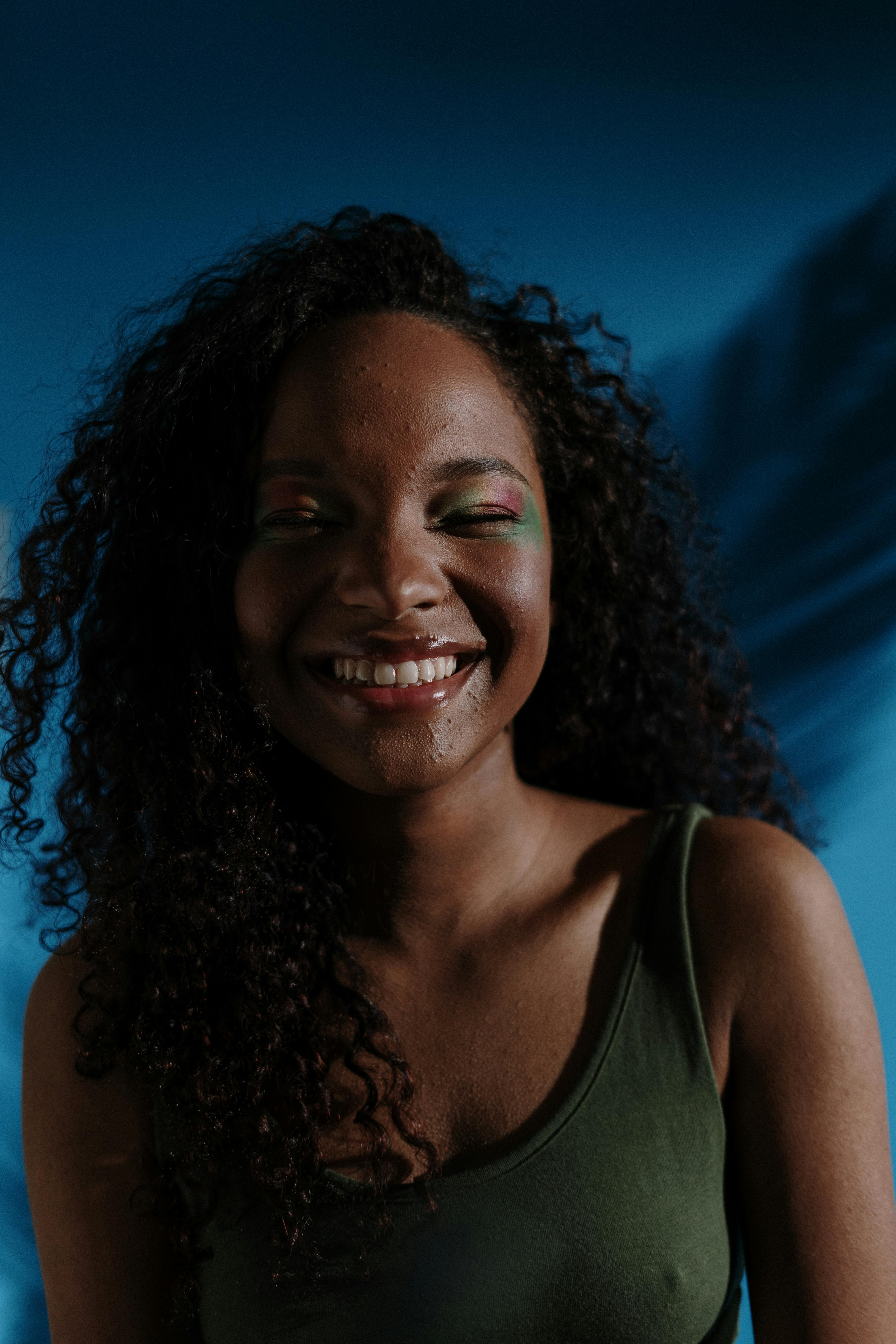
I would like to say that the six months I spent on Accutane cleared my skin forever, but unfortunately, that’s not the truth. My skin is not perfect now, and I doubt that it ever will be, but it’s certainly better. Even seeing it a little bit clearer allowed me to look further than just my acne.
The only good thing about being so fixated on the spots on your face is that it leaves you little time to develop other insecurities.
Now when I look in the mirror, I make a conscious effort to see past the scars that still linger on my cheekbones. Instead of focusing on minor imperfections, I have learnt to see the parts of my face that look beautiful. Instead of covering any acne I choose to distract with a glittery eyeshadow, or a different shade of lipstick.
I doubt that I will ever have the perfect skin that Instagram and TikTok models have from "just drinking water" (and using tricks of light and camera filters) but I have learnt that I can be beautiful even with acne.
I have learnt how to feel comfortable in my own skin.
This article has been sponsored by the Psychiatry Research Trust, who are dedicated to supporting young scientists in their groundbreaking research efforts within the field of mental health. If you wish to support their work, please consider donating.


