


When Your Body Becomes The Teacher
Updated: Mar 18
Somatic Yoga, Trauma, and Functional Neurological Disorder

What if the path to healing didn't start in your mind, but in your body? For many people living with trauma, chronic stress, or unexplained neurological symptoms, conventional approaches haven't brought relief. Somatic yoga is opening up new possibilities—not as a replacement for medical care, but as a powerful complement of working directly with the body's own capacity for regulation and change.
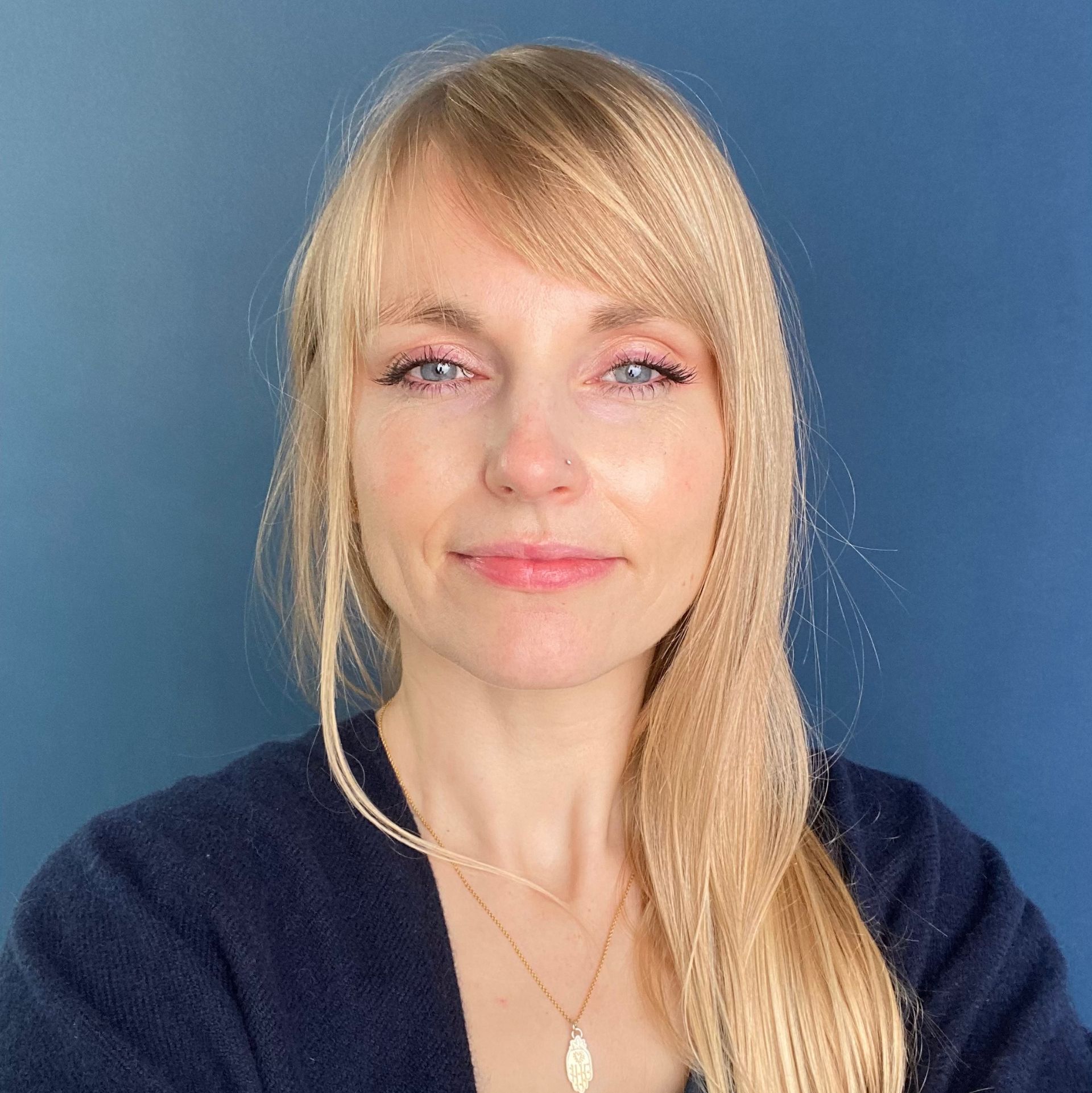
I'm writing this as a somatic yoga practitioner and honorary researcher at King's College London, where I've recently completed a randomised feasibility trial exploring somatic yoga for people with Functional Neurological Disorder (FND). Both in research and clinical practice, I've witnessed how transformative it can be to approach the body with curiosity rather than fear—especially when usual routes to healing feel blocked.

Yoga: More Than Just Poses
Yoga has roots stretching back thousands of years. While Western culture often packages it as fitness or stress relief, its original purpose was far more profound: using movement, breath, and attention to help us tune into what's happening within. Earlier articles on Inspire the Mind have explored yoga therapy more broadly, as well as yoga's role in reducing inflammation.
At the heart of yoga practice is something called interoception—our ability to sense internal bodily signals. Think of your heart thumping in your chest before a big presentation. When it's disrupted—which often happens after trauma or during chronic illness—the body can feel unpredictable, even dangerous.

What Does 'Somatic' Mean?
Somatic practices invite us to pay close attention to bodily sensations and movements, even when—especially when—they tell a different story from the thoughts spinning in our minds.
Approaches like Somatic Experiencing® and somatic yoga suggest that stress and trauma aren't stored just psychologically, but biologically. As Bessel van der Kolk describes in The Body Keeps the Score, our nervous systems adapt to what we experience, shaping how we move, feel, and respond long after difficult events have passed.
It gently supports awareness of sensation, movement, and breath, allowing the nervous system to release tension at its own pace. It's less about 'fixing' yourself and more about learning to listen.

How The Body and Brain Talk To Each Other
When someone experiences trauma or lives with chronic stress, certain brain areas can become dysregulated. The amygdala—which processes emotions and threat—can become overactive. The insula—which helps us sense what's happening inside our bodies—can struggle to do its job accurately. And the anterior cingulate cortex, involved in managing attention and arousal, can have difficulty regulating our responses.
For people with Functional Neurological Disorder—a condition where symptoms like seizures, tremors, or weakness appear without structural brain damage—these disruptions can be particularly pronounced. Research shows changes in how these brain regions communicate with each other, alongside difficulties with emotional regulation, reduced body awareness, and dysregulation of the autonomic nervous system (the system that controls things like heart rate, breathing, and digestion).
This is where somatic yoga becomes relevant. Through gentle movement, conscious breathing, and sustained attention to bodily sensations, it works to strengthen the communication between these systems. Slow breathing practices shift the balance toward the parasympathetic nervous system—what some people call 'rest and digest' mode—reducing the body's stress response. Mindful movement and body awareness practices increase activity in the insula, supporting more accurate sensing of internal signals and helping to rebuild a sense of safety in the body.

What we learned from the research
Within the Neurological Affective & Dissociative Symptoms (NEUROADS) Lab at King's College London, led by Dr Susannah Pick, I worked as the yoga therapist on a randomised controlled feasibility trial exploring somatic yoga for people with FND. You can learn more about my somatic work here.
Participants in the intervention group received weekly one-to-one somatic yoga sessions tailored to their needs and capacity. The control group followed a music-based relaxation programme using carefully curated playlists designed to support nervous system regulation.
Every single person in the somatic yoga group completed the full programme—something that speaks to its accessibility and tolerability. Feedback consistently described sessions as calming and supportive, particularly during periods of heightened stress. People reported feeling more able to cope with daily demands and their symptoms. One participant reflected something I'll never forget:
'For the first time, I felt like my body wasn't my enemy.'
Another participant has since reported that she hasn't had a seizure since she started the intervention—almost a year ago.
Our findings showed promising changes in interoception and body awareness, alongside indicators of global clinical improvement. Participants demonstrated greater ability to notice and interpret bodily signals, improved emotional regulation, and shifts in how they experienced and managed symptoms in everyday life.
It's important to note that this was a feasibility study—designed to assess whether the intervention is acceptable, safe, and shows potential signals of benefit. We haven't established effectiveness yet, but the findings strongly support pursuing larger, adequately powered trials to examine clinical outcomes more rigorously.

Why safety matters in trauma work
Trauma-informed practice recognises that everyone's nervous system has been shaped by unique experiences. It prioritises safety, dignity, and choice, acknowledging that change cannot be rushed or imposed from the outside.
In somatic work, this sense of safety is fundamental. When people feel truly listened to and respected—when they're given agency over their own bodies—the nervous system is more able to settle. This creates space for awareness, regulation, and the possibility of change.
Rather than asking 'what is wrong with you?', trauma-informed approaches ask: 'what has happened, and what does your body need now?'
That shift—from pathology to curiosity—can be revolutionary.
What This Means for You
Healing isn't about erasing the past or achieving some perfect state. It's about learning to experience your mind and body as a connected whole, and meeting the present moment with greater ease.
For some people, somatic yoga becomes a doorway—a way of learning to listen to the body, exploring gentle movement, and finding moments of safety that might have felt impossible before. Whether you're living with FND, carrying the impact of trauma, or navigating chronic stress, even small practices can begin to shift something.
You might start simply: pausing to notice the rhythm of your breath, feeling the steady contact of your feet on the ground, or placing a hand on your chest and noticing the rise and fall. These aren't trivial gestures—they're invitations for your nervous system to remember what safety feels like.
You are not broken. You are human. And with the right support—whether that's somatic yoga, therapy, medical care, or community—even small experiences of safety and belonging can lay the foundations for meaningful change.
A deeper dive into the neuroscience and full research findings will follow once our paper is published. Stay tuned.


