Why Mood Matters: My Journey with Cyclothymia

Updated: Feb 25

After struggling with mental health challenges since my teenage years, I was diagnosed with cyclothymia at the beginning of 2025. But what is cyclothymia? Looking back, I realise that this lesser-known mood disorder has impacted my relationships, work, and social life, even if I did not know that at the time.
Getting this diagnosis at 43 was not something I had foreseen.
On my laptop screen, in a minimalist white office I had booked for privacy, the serious but kind face of the psychiatrist stared back at me, enlarged via Zoom. We had spent the last hour going over my whole life history. She furrowed her dark brows. “Anneliese, have you heard of cyclothymia?”
No, I had not.
What had brought me to this moment?
The peaks and troughs had become increasingly dramatic. For weeks, a veil of gloom fell and lingered. Inevitably followed by periods of sudden positivity and productivity. I would have enthusiasm for work again, organise the whole house, and my partner would catch me singing in the kitchen. And I had started to notice that this was a cycle on repeat.
The doctor asked, “Has anything helped?” It was difficult to say. Over the years, several rounds of CBT reduced my anxiety levels. But the effects did not tend to stick long-term. I was also taking antidepressants and, with my GP's guidance, had changed the dose, but to no avail. I felt stuck.

Finding out more about cyclothymia
A few hours after meeting the psychiatrist, I was googling ‘cyclothymia’ and reading the Mind website:
‘You may get a diagnosis of cyclothymia if:
● You've experienced both hypomanic and depressive mood episodes over the course of two years or more.
● Your symptoms aren't severe enough to meet the diagnostic criteria of bipolar 1 or bipolar 2.’
Looking at my life in overview, this began to add up. As a child I often felt down and enormously worried. My chest hurt and head spun with images of disasters and accidents. At the same time, I pushed myself hard in school and was always on-the-go with extracurricular activities.
As I matured, I had lots of highs and lows. Binge drinking, often being impulsive and intense, taking risks. Normal for your teens and early twenties? Maybe. But in between these whirlwind episodes were times of despondency and isolation, hours spent lying in the dark. This period is best exemplified by a text message I received by accident from a friend, “Anneliese is being weird again.”
As an older adult, I had hugely industrious and optimistic phases: studying, working, having my children, developing a freelance career, achieving. More positive, chatty, and outgoing than before. And then, out of nowhere, I would be down for the count, overwhelmed by all the work I had to now deliver. My sensitivity heightened, tearful, snappy, paranoid, convinced I was unlikable: avoiding anyone other than my immediate family. It ached to form my mouth into a smile. My voice was flat and monotone when I spoke.
Getting treatment and support
Back to the present day: the psychiatrist prescribed me mood stabilisers. Over the course of the last year, they have been increasingly effective. I am now on more of an even keel.
Researching cyclothymia was useful but occasionally frightening. Reading that it could lead to ‘severe, complex, borderline-like bipolarity’ felt overwhelming. Equally, much of what I read enabled me to make sense of my experiences. For example, people with cyclothymia, like me, often access health services because of distressing feelings of depression and anxiety, and are less likely to recognise their more elevated states.
I had depressive episodes that felt very debilitating, but on reflection, I also recognised that the peaks on my emotional rollercoaster did influence my daily life. This was hypomania, characterised by ‘abnormally elevated’ mood, energy, or activity, but not as extreme as mania. For instance, in the months before my psychiatry appointment, my mind filled with ideas for writing, topics for a PhD, businesses, hobbies, projects, in a way that felt uncomfortable. Sometimes these ideas were fruitful, but often I abandoned them. My partner would tell me not to overdo it, but it was hard to stop being busy, and my sleep was disrupted: my brain buzzed with thoughts. One issue is that kind of apparent productivity is valued and even rewarded in our society: think of ‘hustle culture’. So maybe it’s harder to spot, even when it has negative consequences?

Telling other people
The question of labels and diagnoses is tricky. At times, cyclothymia felt too vague and soft in its definition. Everyone has moods, but I suppose the difference is that for me, there was a clear pattern. And this relentless cycle had been dominating me.
I struggled to tell people. I imagined they would not believe me. Talking to close colleagues, family, and friends did not bring the push-back I expected. In fact, there was not much reaction at all. It also made sense that not everyone understands the terminology, as cyclothymia is relatively rare, with a lifetime prevalence between 0.04% to 1%. The term was first used to refer to a mood disorder in 1877, but even today public awareness seems minimal. Still, I felt relief in having a framework to comprehend the fluctuations in my mindset and behaviour.
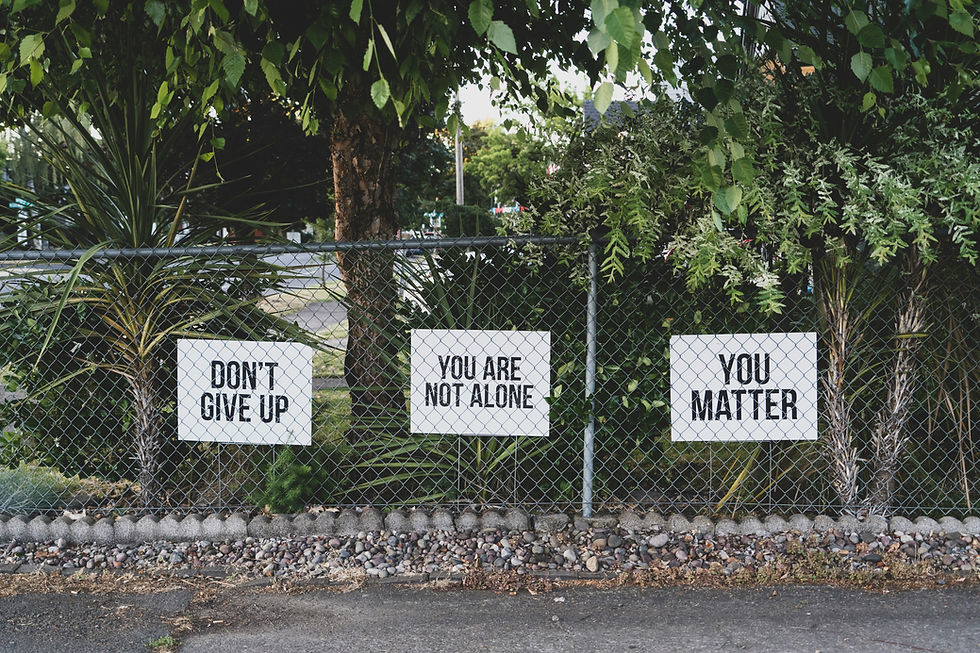
Attitudes towards mental health problems
The ongoing public debate around an ‘overdiagnosis’ of mental health conditions has intensified my nervousness about disclosing my experiences. Despite this, I am sharing it now with the hope of encouraging an environment where people, young and old, are safe to talk about their wellbeing. It is so important that others can access support without fear of their experiences being trivialised.
Psychological wellness is nuanced and changing. A cyclothymia diagnosis has given me a new perspective on past behaviours and actions that previously filled me with shame and distress. Moving forward, I am not ‘fixed,’ but I do not feel broken anymore.
It is getting easier to be gentler with myself and accept that my motivation, feelings, and self-confidence will still fluctuate. Spotting the signs of when an extreme change in mood is on the way and giving myself some grace. For me, warning signs included increased self-isolation, as well as stronger emotional reactions to everyday happenings (crying because an email I received felt a bit too blunt!), and a rise in negative self-talk: “What is the point in applying for this job, I am rubbish at everything anyway?”
On the hypomanic end of the spectrum, I know that it’s time to slow down when my sleep is disrupted by a racing mind, or I am constantly on the move and unable to relax. I might feel tired, but I still find myself unable to stop pottering around where my family are all chilling out on the sofa. It helps to notice these changes, to pause, and to reflect if these thoughts and behaviours are beginning to escalate. I also take more rest breaks, rather than pushing myself to always be productive, always be achieving. Not exactly rocket science, right? But even these small changes have had a cumulative effect for the better.
Recently, I have started in-depth counselling, untangling various aspects of my life. Exploring my childhood, identity and place within my family has also been a useful way to better comprehend the emotional cycles. Talking with my counsellor can be hard sometimes, but it has also boosted my confidence and given me the space to recognise the positive qualities I possess, like resilience and openness to asking for support.
The journey to understand the light and the dark is ongoing, but I know that I am not defined by cyclothymia. And I now realise that I am more than just my moods.
This article has been sponsored by the Psychiatry Research Trust, who are dedicated to supporting young scientists in their groundbreaking research efforts within the field of mental health. If you wish to support their work, please consider donating.