Closing the Gap Between Dementia Diagnosis and Support
Updated: May 12
One in two of us in the UK will be directly affected by dementia in our lifetime, either by caring for someone with dementia, developing it ourselves, or both. But compared to other major health conditions, like cancer, effective treatments aren’t readily available, and there is very little support following a diagnosis.
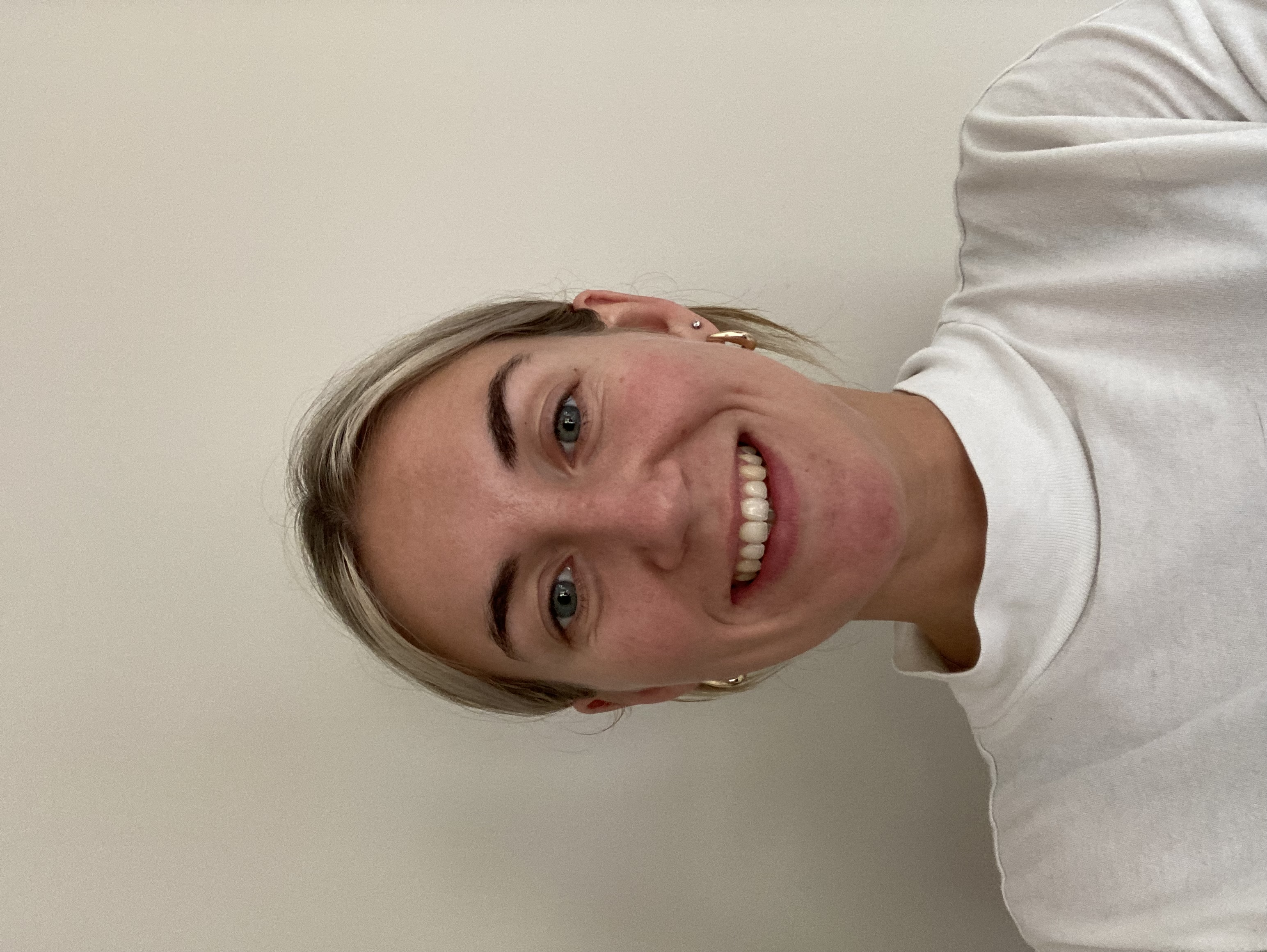
I’m Natalie, a Research Assistant at King’s College London, working on the DETERMIND study. I regularly visit people living with dementia and their caregivers (mostly family members or friends) in their homes to have a chat about how they are doing. The study aims to understand inequalities in dementia care and their impact on people’s quality of life. We want to find a fairer path to dementia care and close the gap between the number of people living with dementia and the support that, unfortunately, people often don’t receive.
Since working in dementia research, I’ve become much more aware of the misconceptions associated with dementia. When I tell people that my job involves interviewing people with dementia, I am asked questions loaded with stigma and misunderstanding of the condition, such as “Is that really hard and depressing?”
Until they are directly affected, people often misunderstand dementia, the support available, or what to do when a loved one is diagnosed. Through this article, I want to share some of the things I’ve learnt from conversations with people with dementia and those who support them, highlighting inequalities in people’s paths following a diagnosis. To note, I don’t have the answers to everything. The DETERMIND project is still underway with findings pending, so these views are based on my experience.
What is Dementia? And Common Misconceptions Explained
I’m often asked what the difference is between dementia and Alzheimer’s disease, or I hear people say, “We were so relieved it’s just dementia and not Alzheimer’s disease”. To make the difference clear, dementia is an umbrella term that describes symptoms like memory loss, confusion, and difficulties with thinking and problem-solving. Alzheimer’s disease is one of many types of dementia, and symptoms can be mild or more pronounced and vary from person to person.
While nothing can guarantee that we won’t develop dementia, we can reduce our risk. Socialising, living a generally healthy lifestyle, and protecting our hearing can play important roles in reducing our risk of developing dementia. If hearing loss goes undetected or untreated (e.g., with hearing aids), you may be more likely to withdraw from conversations and social situations, which could increase your risk of dementia.
It might be frustrating if your loved one with dementia repeats the same questions or stories several times, so you may be tempted to point out the repetitions to them. But people with dementia can’t help it! It’s better to go along with it, as telling someone they are repeating themselves has no benefit and is more likely to make them worry. Research has also shown that even people with advanced dementia notice when general conversational rules, such as turn-taking or asking and answering questions, are ignored. Understandably, this can be distressing for them.

Perhaps most importantly, people with dementia can live happy and fulfilling lives. Research has shown that someone’s quality of life doesn’t always decline after a dementia diagnosis. I’ve seen this first-hand in our interviews. Being social, keeping active, and maintaining good physical health can help people with dementia to live well. Caregivers can play a pivotal role in maintaining their wellbeing, but this sometimes comes at the expense of their own quality of life.
There is currently no cure for dementia, so while researchers are working hard to find one, it’s important that we look after people living with dementia, and also the people who care for them.

Why is Support So Unequal?
Unfortunately, there is no set care path following a diagnosis. Many people must navigate the system themselves. I’ve lost track of the number of times I’ve asked someone about the support they receive, and they respond, “What support? We got the diagnosis, a prescription, and then nothing. No one calls; no one asks how we are coping.” This is not the fault of the Memory Clinic; they are an assessment service. The harsh reality is that a care pathway hasn’t been implemented or invested in. Health and social services are often only involved at later stages or when there’s a crisis, which is then costly to the health system and distressing to the person with dementia.
One thing I’ve noticed is that inequalities are complex, and access to support is a privilege. Many charities offer amazing support groups and activities that are brilliant for the people who attend. However, you need to live near a group and be able to get there independently or have someone accompany you. What if the person who supports you works full-time and the group meets at 11 am on a Wednesday? What if you, or the person who supports you, have a health condition that makes it difficult for you to attend group sessions? What if you have other care or cultural needs that the day centre or activity group can’t support? If you aren’t connected to others in a similar situation, how do you find out about support in the first place?
You might be told about the services available or steps to take at diagnosis, but you might have forgotten the details or misplaced the information leaflets (this is even more likely if you have dementia). Other barriers that can make it more difficult to find the right support include a lack of access to, or confidence in using technology and living alone.
Even if you are confident using technology, it can be hard to know where to start your search. The same barriers exist when trying to access social care, with online forms and eligibility criteria becoming increasingly confusing. The postcode lottery of services means there may be something really great that supports people in one part of the country, but elsewhere, these services don’t exist.

How Can This Change?
To make care more equitable, there’s still a lot of work to be done. Dementia must become a national and international priority if we want to live happy, healthy lives as we grow older, especially as more people are living longer. A clear strategy, funding for research and integrated person-centred care, and learning from other health conditions are essential. Care plans need to be tailored to the individual, considering cultural needs, life history, and respecting who the person is, including their gender identity and sexual orientation.
Through DETERMIND, I feel very lucky to have met so many wonderful people and am hugely grateful to them for sharing their stories with me, and for being so welcoming when we visit.
Working with people living with dementia and their families is a highly rewarding job. The times we’ve seen people’s situations improve as they access better support will stay with me forever. As will the jokes, garden tours, and interesting stories participants have told me. It is, of course, upsetting and frustrating to hear about the lack of support people receive, and I am motivated to continue working in this field to provide evidence for why we need more equitable care and how it can be achieved.
As we analyse the study findings, I’m excited to see the results of the project and how it might begin to influence change.
Helpful Resources
Alzheimer’s Society: The largest UK-based dementia charity. Information on all kinds of dementia, advice on living with dementia, and resources to find help and support.
Support Line: 0333 150 3456
The dementia guide: Living well after your diagnosis | Alzheimer's Society
AgeUK: Information, services and support for older adults.
Advice Line: 0800 678 1602
Resources by council branches: https://www.ageuk.org.uk/services/in-your-area/
Carers UK: National charity for any and all kinds of carers
Helpline: 0800 808 7777
Dementia UK: Offers advice and support for families supporting someone with dementia through admiral nurses who are nurses with expertise in dementia.
Call 0800 888 6678 or email helpline@dementiauk.org to speak with a dementia nurse specialist
Book: Everything Your Doctor Doesn’t Have Time to Tell You, by Matt Piccaver.