


Life With PCOS: The Good, The Bad, The Ugly

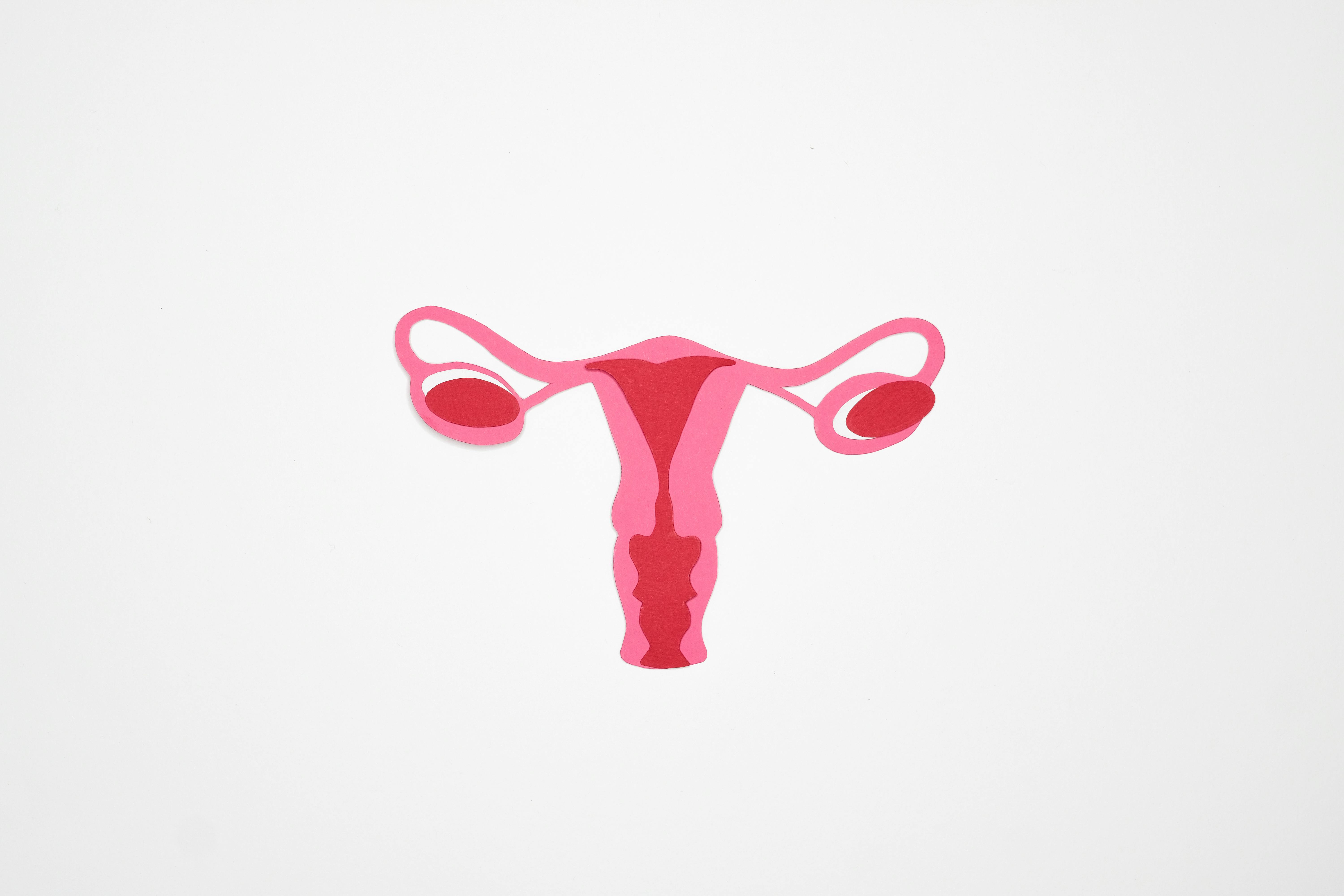
When I turned to my GP regarding the issues with my menstrual cycle, I expected more clarity. When I was diagnosed with Polycystic Ovary Syndrome (PCOS), I felt more confused than ever, as no one clearly explained what the diagnosis meant, but I was advised to consider going on the oral contraceptive pill or changing my lifestyle to lose weight. At the time, that suggestion only fuelled my insecurities and anxiety. I felt as if it was my fault that I was in that situation in the first place. I wish someone could have told me that it is not necessarily the case.
Being a postgraduate student in the unique Mind-Body Interface programme, I constantly learn that our minds and our bodies share a symbiotic relationship. My experience with PCOS is a first-hand testimony to this, and I am here today to share how it affects me every day.
PCOS is a multi-faceted condition that affects 6-10% of women of reproductive age, and it is mainly characterised by hormone imbalance, ovarian cysts, and irregular periods. In my experience, the rise of PCOS has been described as a consequence of personal lifestyle choices related to factors like nutrition and physical activity. However, research suggests that, whilst lifestyle choices can account for how PCOS may manifest in those affected by it, the cause of PCOS is unknown. Experts call attention to the role of genetic vulnerability and early exposure to environmental toxins found in food containers, cosmetics, and other everyday products.
The ‘good’
Before my PCOS diagnosis, I had little to no knowledge about the menstrual cycle. With the limited amount of reassurance and information that I was provided by health professionals, I had to learn most things myself. I became more knowledgeable around themes of reproductive and endocrinological disorders that affect women every day, such as endometriosis, Premenstrual Dysphoric Disorder (PMDD), and mainly PCOS. I must admit that I do not think I would know as much as I do now if it weren't for my diagnosis.

With all the information and research, I have encountered on my journey so far, I have perfected my ability to recognise sources relaying unwarranted knowledge and advice. For one, I stay clear of wellness influencers on social media. Whilst there are well-informed professionals on social media that can provide accessible and user-friendly information, the media often provides unfounded, mixed evidence relating to under-researched topics like PCOS. For example, there have been instances where individuals have been caught selling fake remedies and cures to vulnerable people dealing with PCOS. Web pages from sources that have no medical background are also a red flag, which is why I recommend reliable sources such as the NHS and other respected medical sources.
It may sound strange, but I am grateful for how infrequent my menstrual phase is. I tend to get my period every few months, which means I don't always deal with the pain that comes with it. I experience a significant amount of pain during my periods, alongside a vast list of other symptoms. My experience is similar to that of many other women, as studies point to an increased risk of dysmenorrhea and other pain conditions among those with PCOS. The sharp, back-stabbing pains can also be caused by the rupture of an ovarian cyst. However, in some cases, it may require medical attention because of potential infection or other serious complications.
I could not imagine going through that pain on a regular monthly basis.
The ‘bad’
Whilst I don’t experience menses every month, there are a multitude of symptoms unaccounted for by the diagnostic criteria that affect me every day. For one, chronic fatigue affects every aspect of my life: from my social interactions to my ability to get through a day at work or university. There is no amount of sleep that will prevent me from feeling like my body is giving up on itself. In fact, I have uninterrupted sleep every night, but somehow I struggle to get through the day without feeling like an absolute wreck. Unfortunately, despite its prevalence amongst women with PCOS, chronic fatigue is an underrecognised symptom.

With the constant state of fatigue comes the brain fog. For me, the cold season worsens the situation, as my persistently low vitamin D is accompanied by increasing forgetfulness and mental fatigue. Unfortunately, vitamin D deficiency is extremely common in women like me. Like clockwork, every year I’m prescribed 50000 units (IUD) of vitamin D, which is only prescribed to people with a severe deficiency. On this regime, I sense an improvement in mood as I stop completely avoiding social interaction and have more positive thoughts throughout the day. I wish I could say that the fatigue and brain fog also improve, but it would be too good to be true. To this day, I haven’t found a definitive solution to this problem, but my hope is not completely lost.
Many women report other problems that are underrecognised as symptoms of PCOS. In a previous article, a fellow ITM contributor, Sophia, explained how cystic acne, abdominal fat, and mood swings made her feel self-conscious.
The ‘ugly’
Learning what I know about PCOS was not an easy ride. Whilst I now feel more confident about the knowledge I gained, the limited amount of reliable information made my experience more discouraging. With research being underfunded and the inability of health professionals to provide satisfying information, where is one meant to get their knowledge from?
As an impressionable 16-year-old, I resorted to the self-proclaimed experts on social media, where the common themes ranged from weight loss, forbidden foods, and promising cures. In my desperate search for answers and solutions, I came across a multitude of false claims, such as the existence of different types of PCOS. I distinctly remember being made to feel guilty about doing high-intensity workouts, which left me feeling very conflicted. Up until my diagnosis, I used to run track, swim, or play tennis. Those were the times I felt the healthiest I had ever been, so how did social media convince me that it was not good for me?

Well, considering how common it is for women with PCOS to come across misinformation, being influenced by such media content should not come as a surprise, but it is cause for concern. Influencers have been known to sell promises to ‘cure the root cause of PCOS’ with their unfounded diet plans, supplement regimes, and laboratory tests, causing women thousands of pounds worth of costs and a great deal of mental distress. The fast-spreading misinformation on social media contributes to the encouragement of dangerous and extreme behaviours, including unsupervised use of inappropriate medication for weight loss, and takes away the spotlight from safer management options like healthy, well-balanced nutrition. The use of platforms that facilitate access to evidence-based information, tips and advice, discussion forums, and symptom tracking is essential for avoiding the detrimental influence of misinformation and confusion.
Light at the end of the tunnel
I cannot begin to explain how the growing accounts of women with PCOS help me feel more validated and part of a community. Articles that allow voices like Sophia’s to be heard introduce me to new perspectives and advice that allow me to grow more confident and learn new ways of managing my own experience with PCOS. Whilst limited, there are online communities that allow others affected by PCOS to share this sentiment. And with this article, I hope to contribute to the growing voices of women with reproductive and endocrinological disorders, and help those who may feel out of depth or misunderstood to feel connected and seen.


